

Hernia repair
General Surgery
Every Surgery, One Trusted Door
Whatever the procedure, our job is the same — connect you with a surgeon and hospital you can trust, at a price you can plan for. Here's what we help patients access:

Appendix
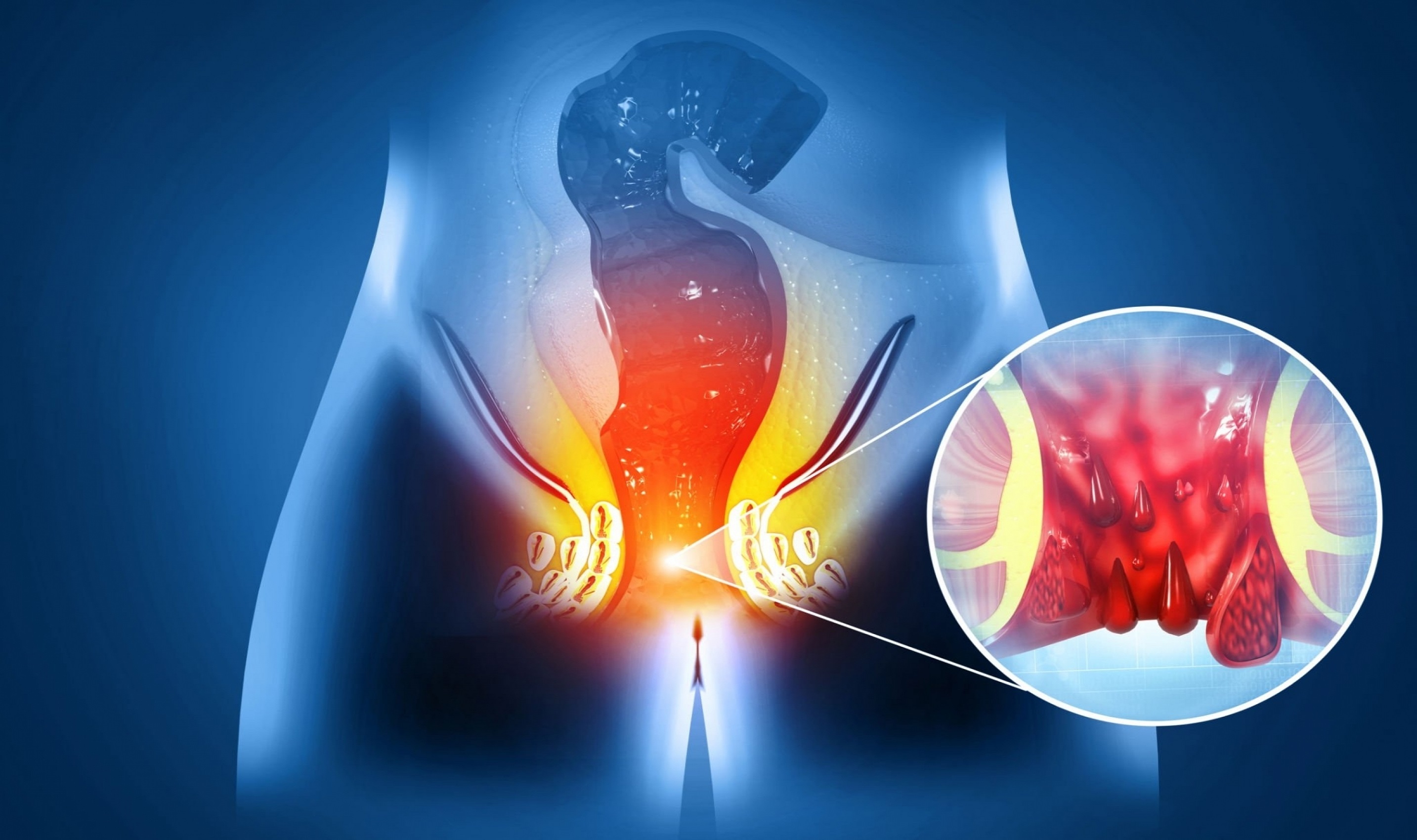
Piles & Fistula
Gallbladder (laparoscopic)
Hernia repair

Gall Stone

Hernia
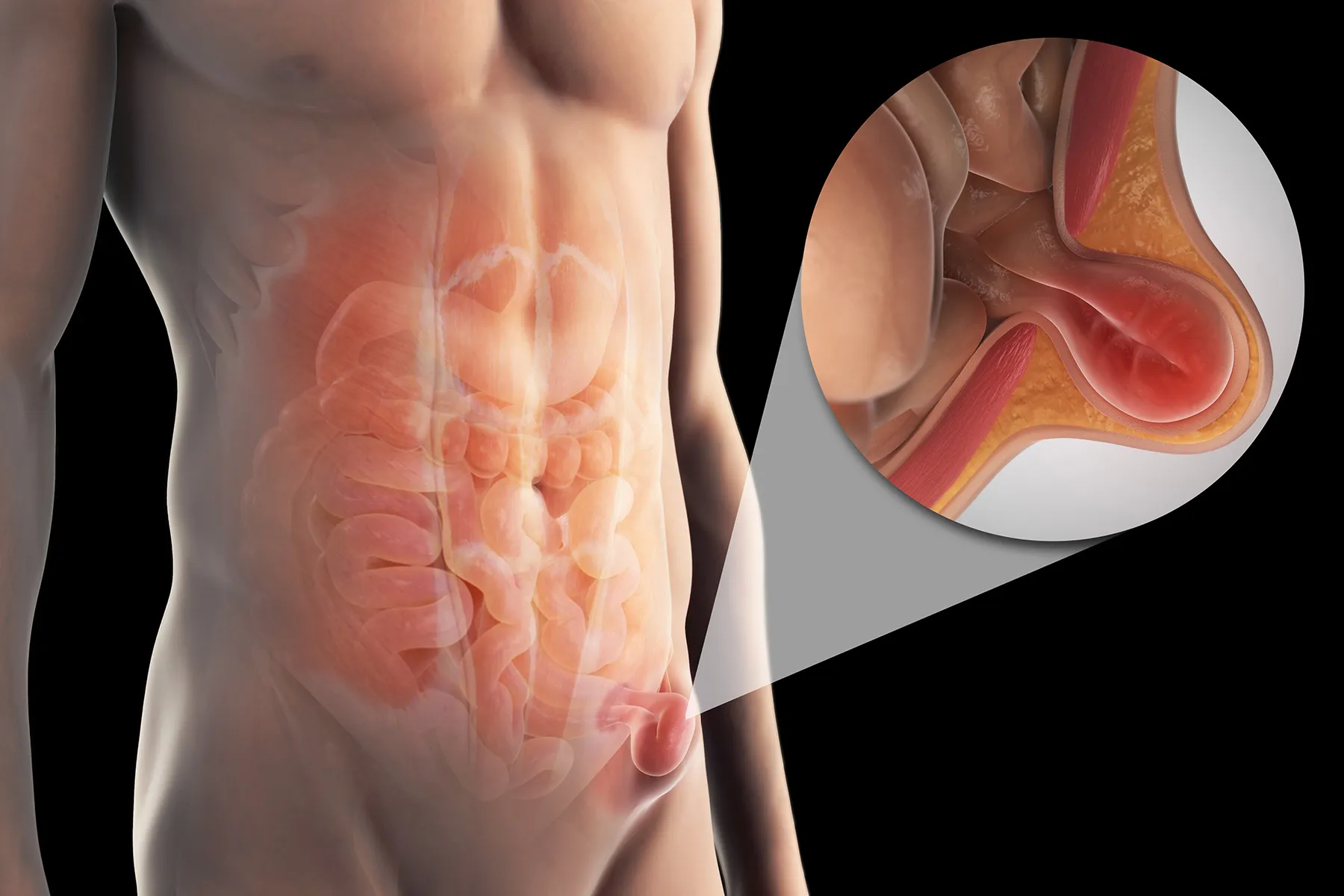
Inguinal Hernia

Umbilical Hernia

MTP (Medical Termination of Pregnancy)
Uterus Removal
Ovarian Cyst

Loose Vagina

Vaginoplasty

Labiaplasty
Vaginal Wart Removal
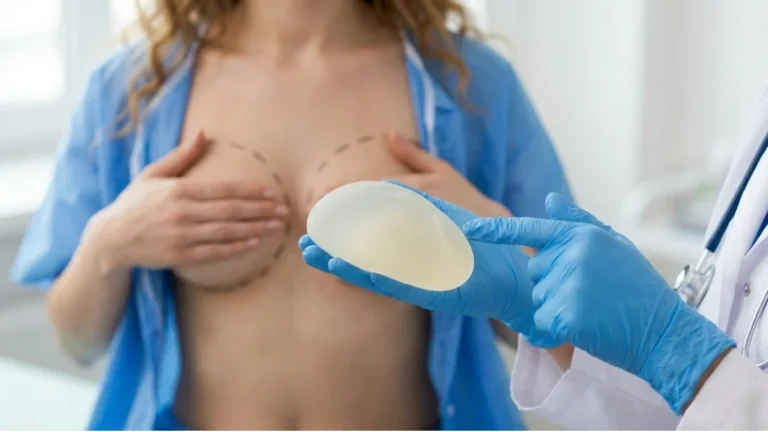
Breast Augmentation
Axillary Breast

Tummy Tuck
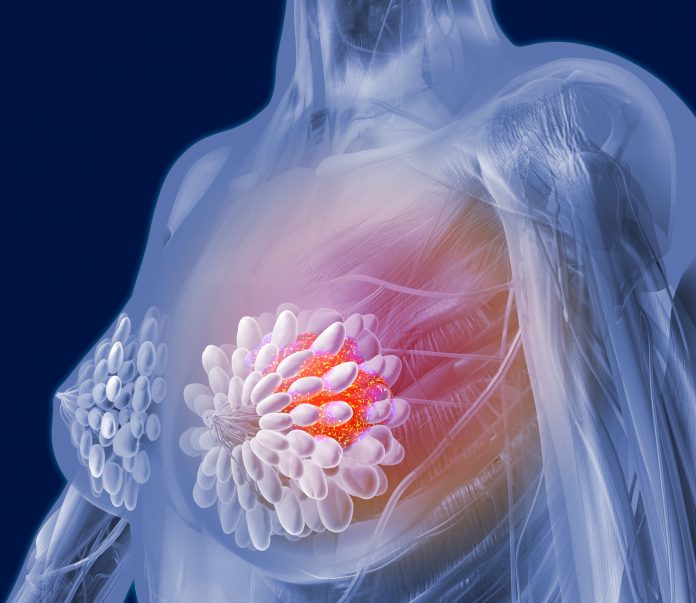
Breast Lump
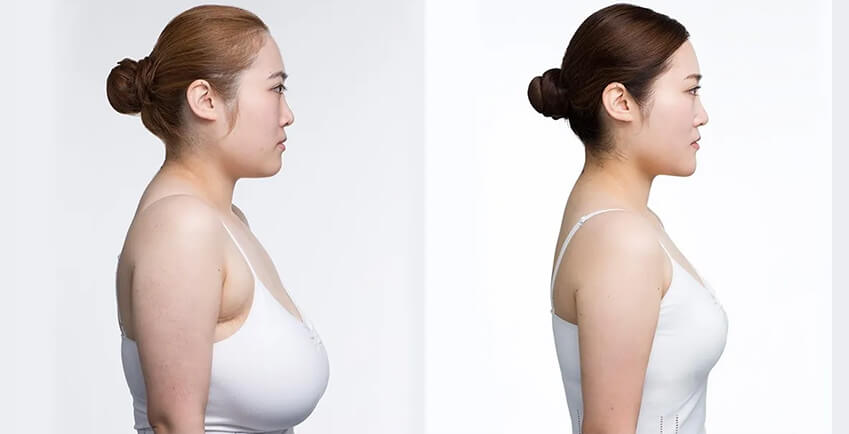
Breast Reduction

Buccal Fat Removal

Hair Fall PRP
Hair Transplant
Blepharoplasty
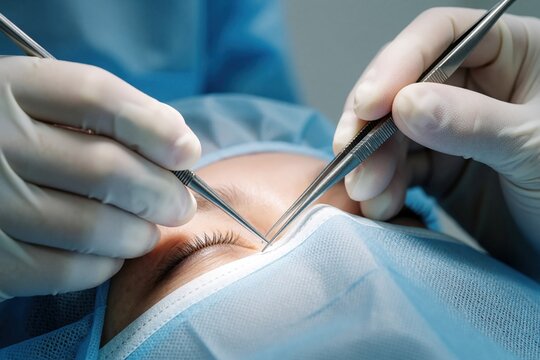
Eyelid Lift Surgery

Rhinoplasty

Sebaceous Cyst

Breast lift

Lipoma

Liposuction

Gynecomestia

Toenail removal

Vasectomy

Corn Removal
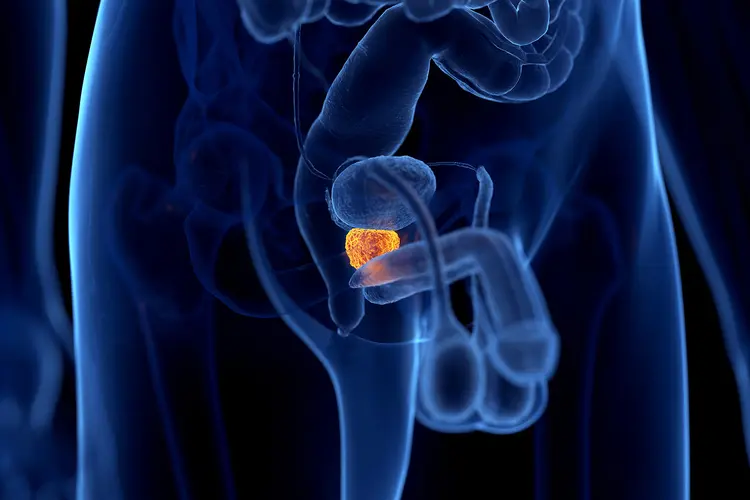
Prostate
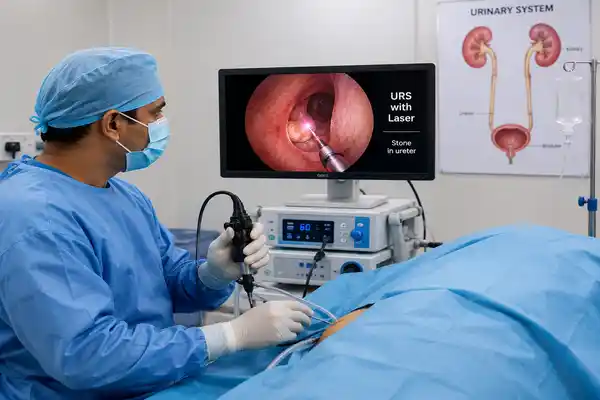
URSL SX
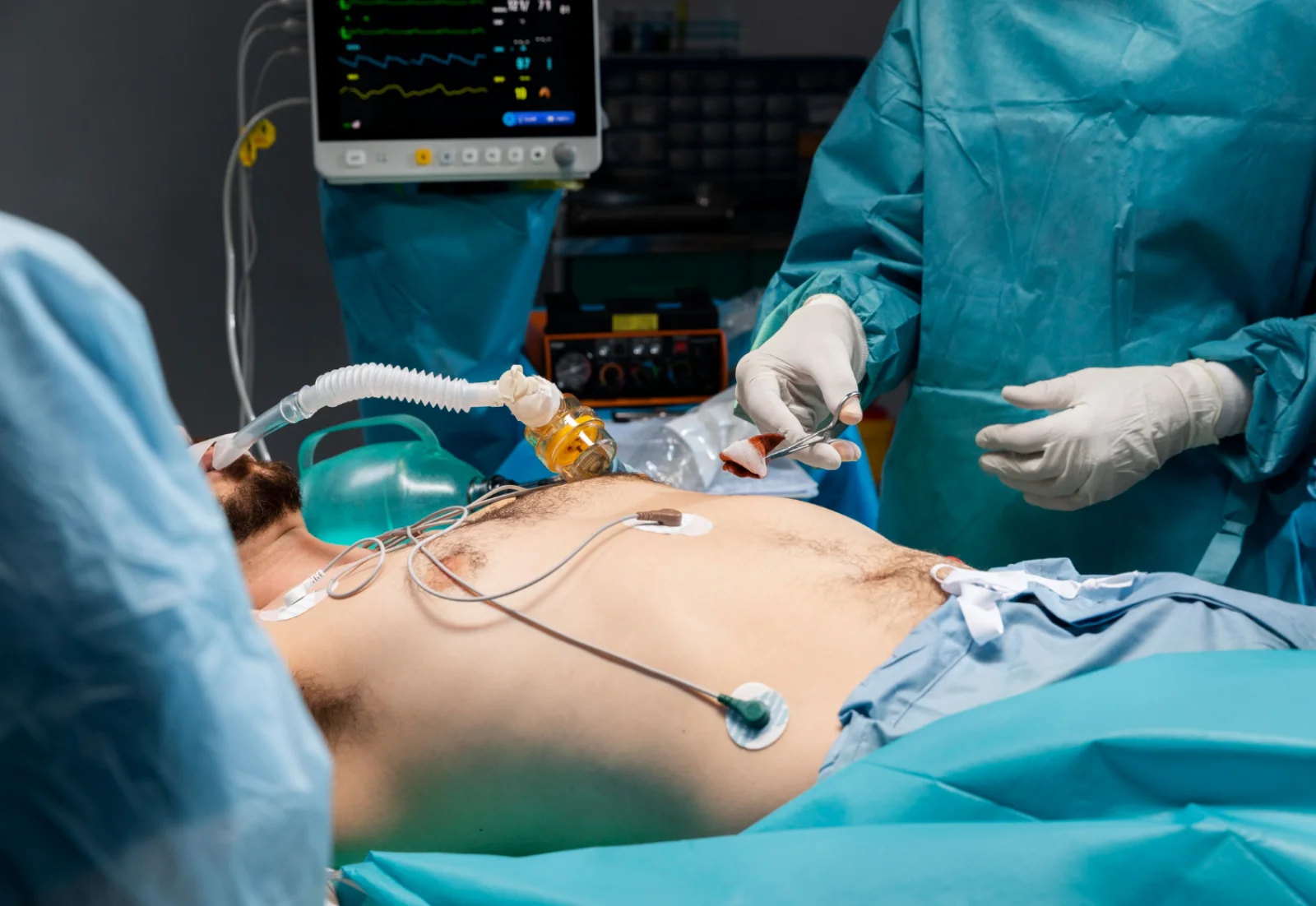
PNCL SX
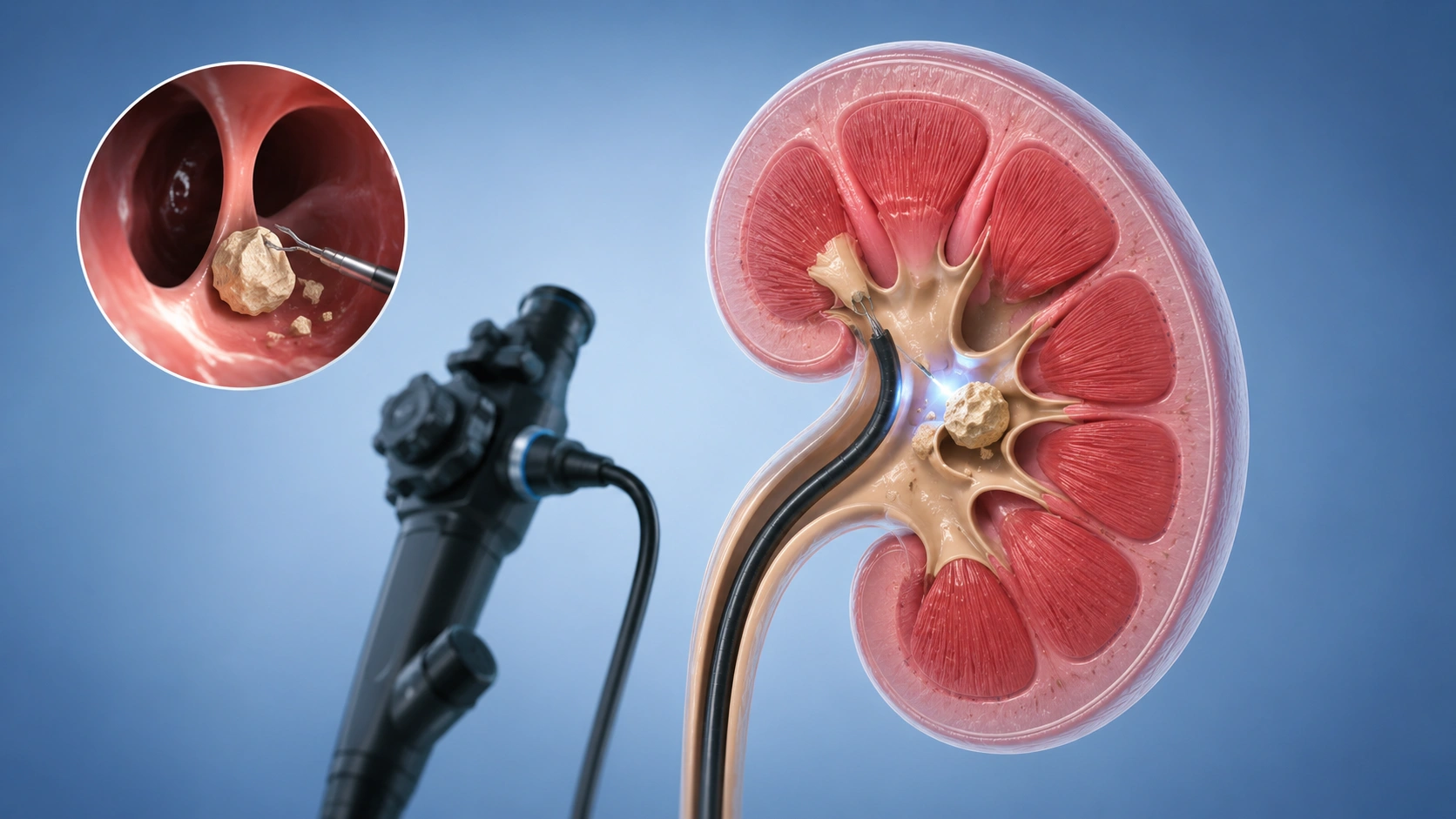
RIRS SX

ESWL SX
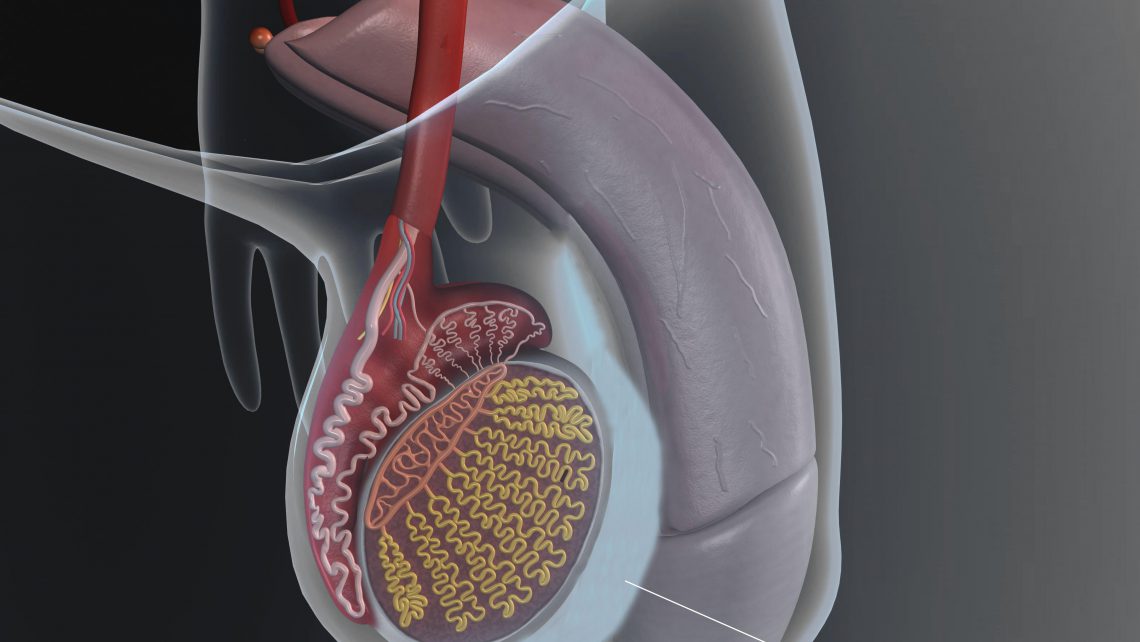
Hydrocale

Kidney Stone

Circumcision

Spatz intergastic Balloning
Bariatric SX
AV Fistula
Diabetic foot

Uterine Fibroids

Deep vein throm
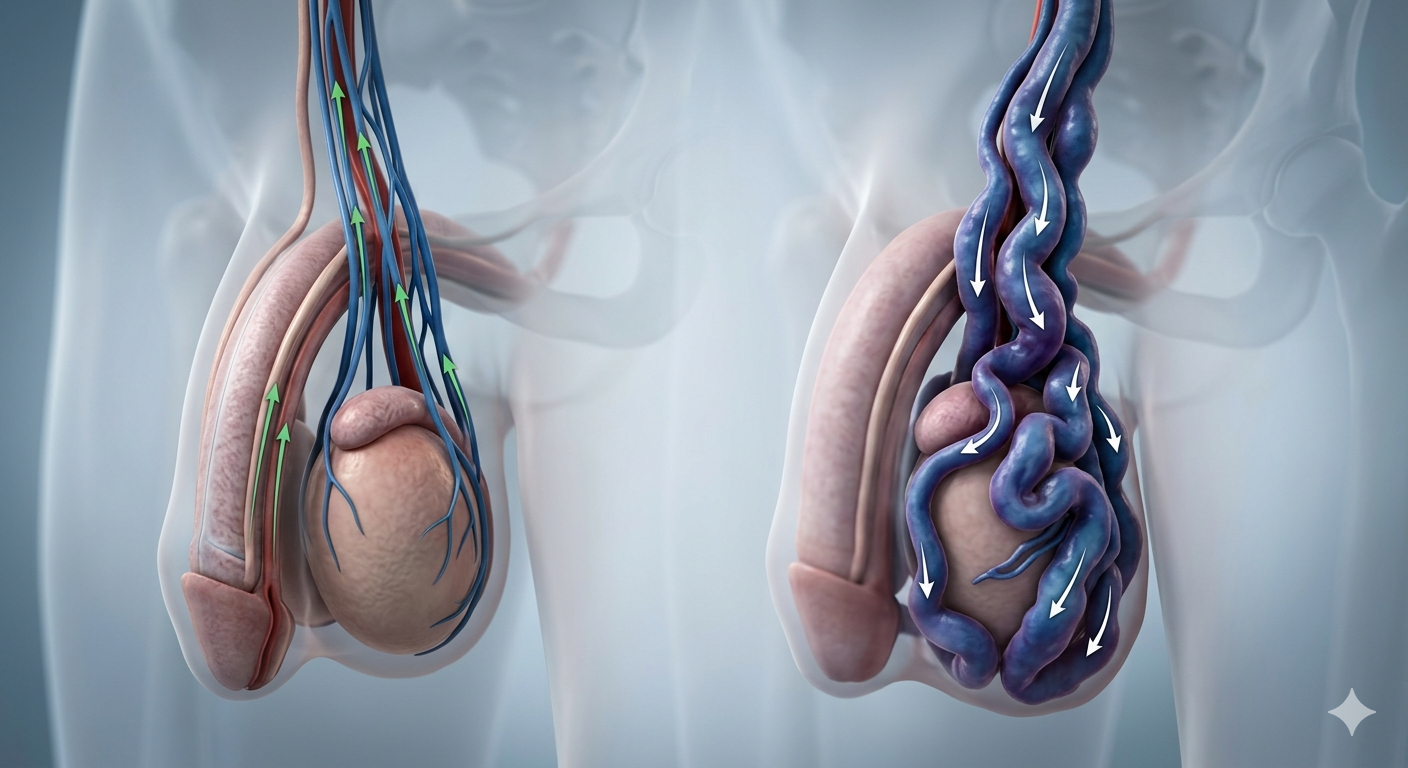
Vericocale

Vericose veins
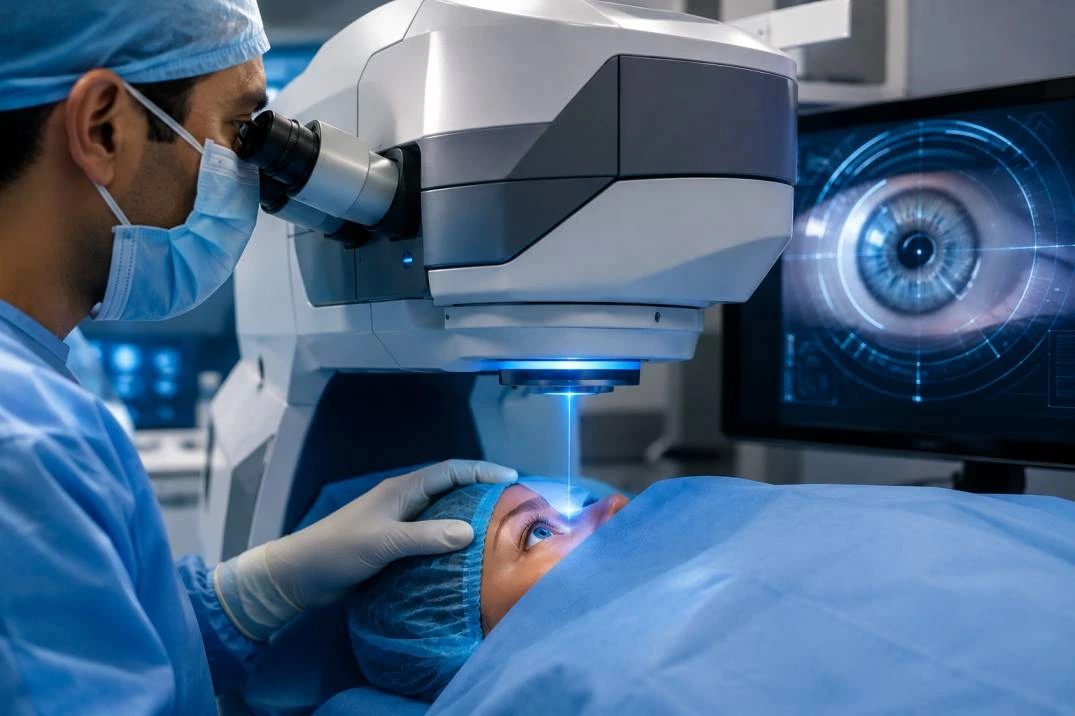
Vision-correction procedures

LASIK
Cataract

Rectal Prolapse

Pilonidal Sinus
Anal Fissure

Anal fistula

Piles
Arthroscopy

Fracture & Trauma care
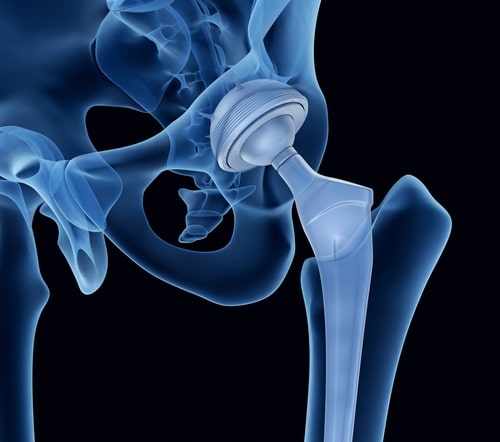
Hip replacement

Knee replacement
A hernia occurs when an organ or tissue pushes through a weakened area in the surrounding muscle or abdominal wall. Common types include inguinal, umbilical, femoral, and incisional hernias.

Patients may notice a visible bulge, swelling, discomfort, pressure, or pain, particularly while coughing, lifting, or straining.
Treatment Methods
Treatment depends on the type, size, location, symptoms, and overall health of the patient.
Common surgical approaches include:
Open Hernia Repair – The hernia is repaired through an incision near the affected area. Sutures and/or mesh may be used depending on the case.
Laparoscopic Hernia Repair – The repair is performed through small abdominal incisions using a camera and specialized instruments.
Robotic Hernia Repair – A minimally invasive technique using robotic-assisted surgical instruments in selected cases.
The surgeon determines the most appropriate technique after evaluating the individual patient.
Eligibility & Age
Hernia treatment may be considered for patients experiencing pain, discomfort, an enlarging bulge, recurrent symptoms, or other complications.
There is no universal age restriction for hernia surgery. The decision depends on the patient's hernia type, symptoms, general health, and surgical suitability.
Conclusion
Hernias can vary significantly in type and severity. A qualified surgeon can assess the hernia and recommend appropriate management, including observation in selected cases or surgical repair when indicated.
Connect with a qualified surgeon through Surgi Solution for evaluation and appropriate treatment.
FREE CONSULTATION
Let's Find the Right Care for You - At No Cost
Answer 4 quick questions. Our team will call you within a few hours with the best hospital and doctor match for your needs.