

Hair Fall PRP
Cosmetic
Every Surgery, One Trusted Door
Whatever the procedure, our job is the same — connect you with a surgeon and hospital you can trust, at a price you can plan for. Here's what we help patients access:

MTP (Medical Termination of Pregnancy)
Uterus Removal
Ovarian Cyst

Loose Vagina

Vaginoplasty

Labiaplasty
Vaginal Wart Removal

Breast Augmentation
Axillary Breast

Tummy Tuck
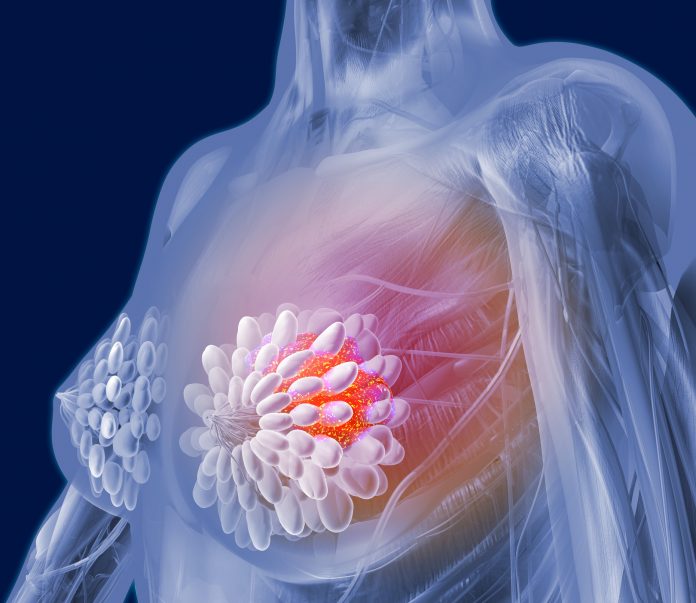
Breast Lump

Breast Reduction

Buccal Fat Removal
Hair Fall PRP
Hair Transplant
Blepharoplasty
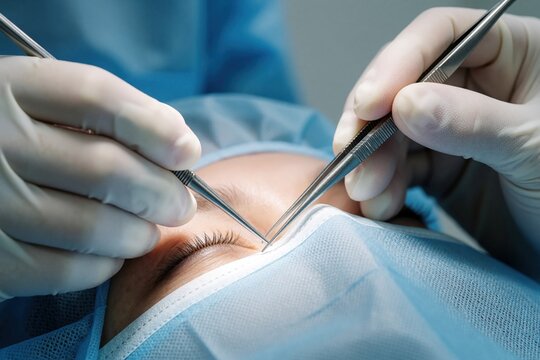
Eyelid Lift Surgery

Rhinoplasty

Sebaceous Cyst

Breast lift

Lipoma

Liposuction

Gynecomestia

Toenail removal

Vasectomy

Corn Removal
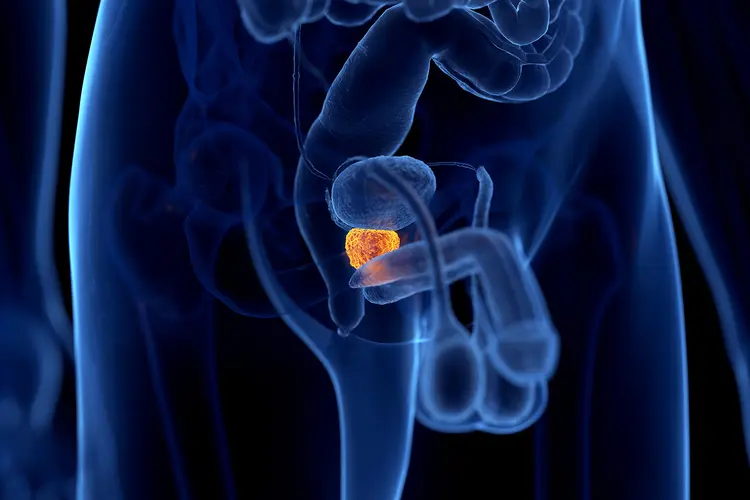
Prostate
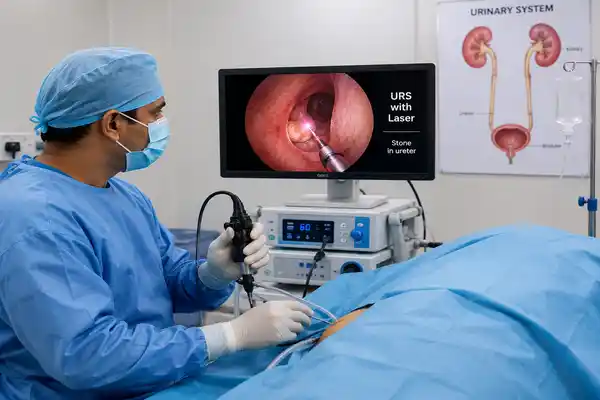
URSL SX
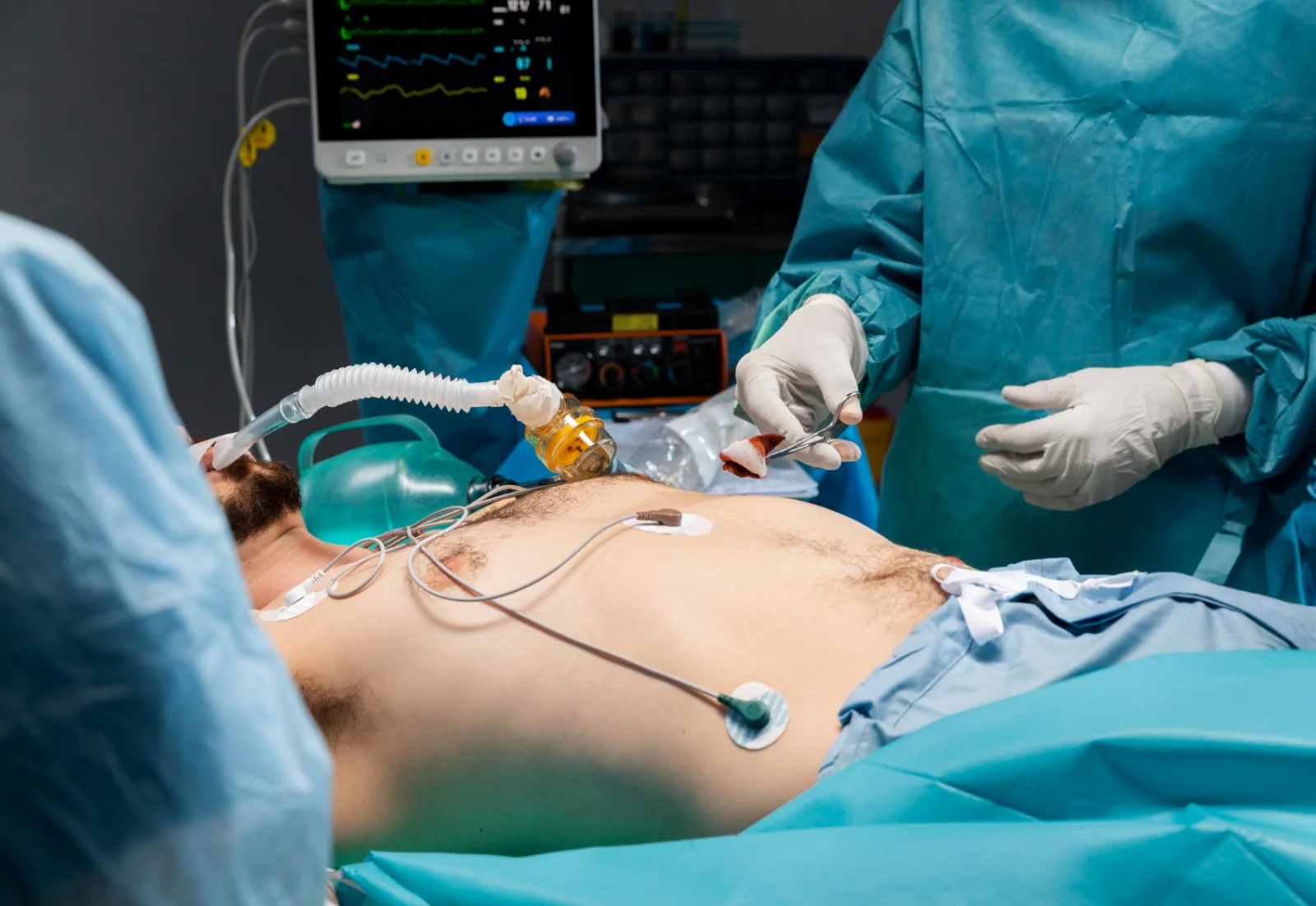
PNCL SX
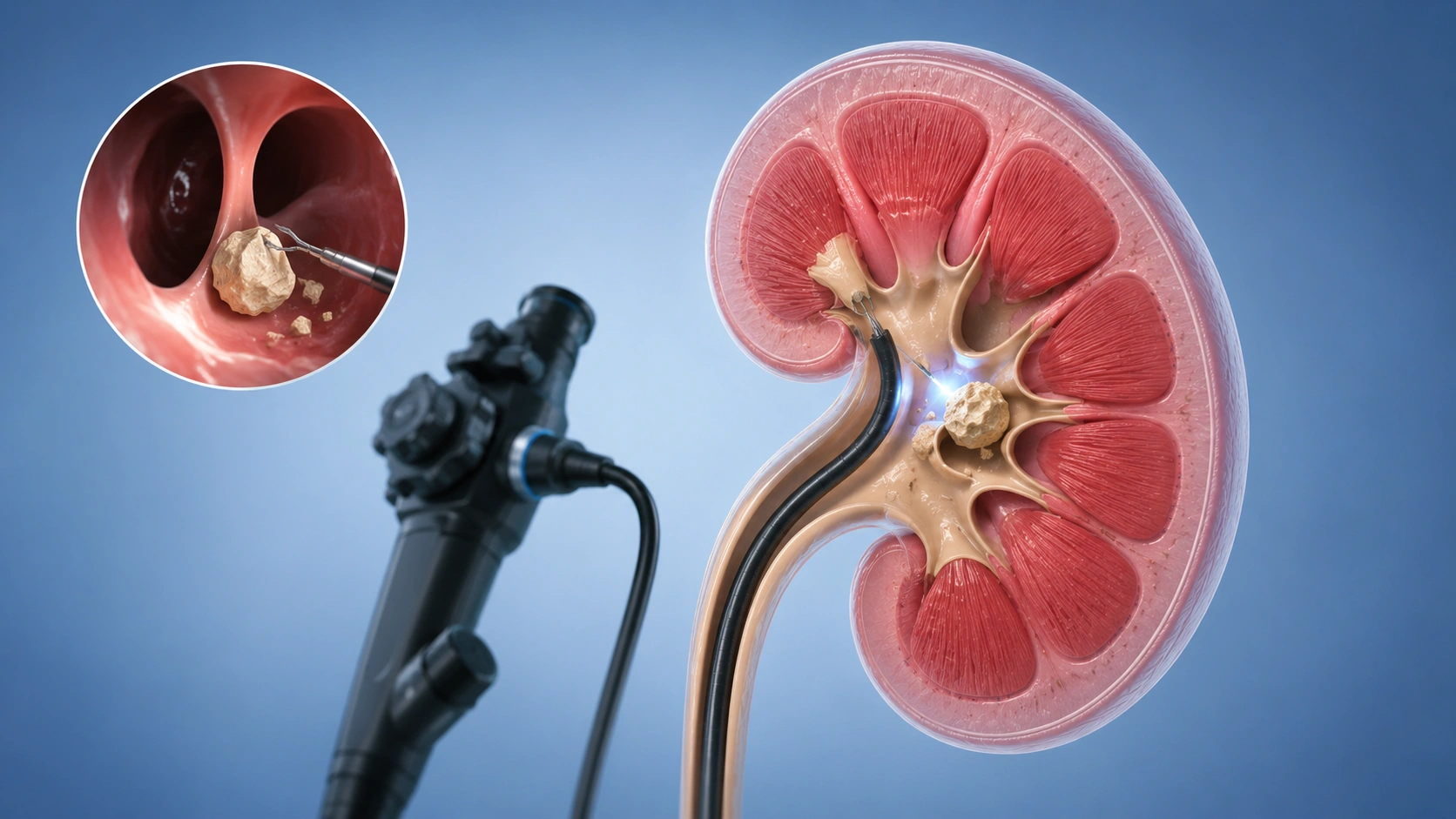
RIRS SX

ESWL SX
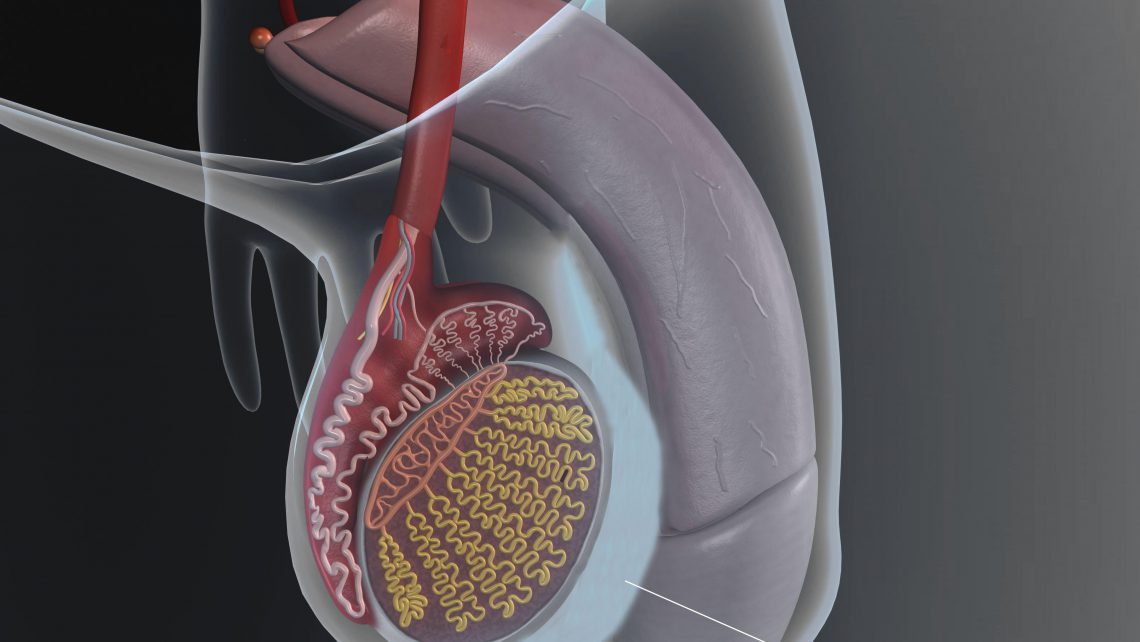
Hydrocale

Kidney Stone

Circumcision

Spatz intergastic Balloning
Bariatric SX
AV Fistula
Diabetic foot

Uterine Fibroids

Deep vein throm
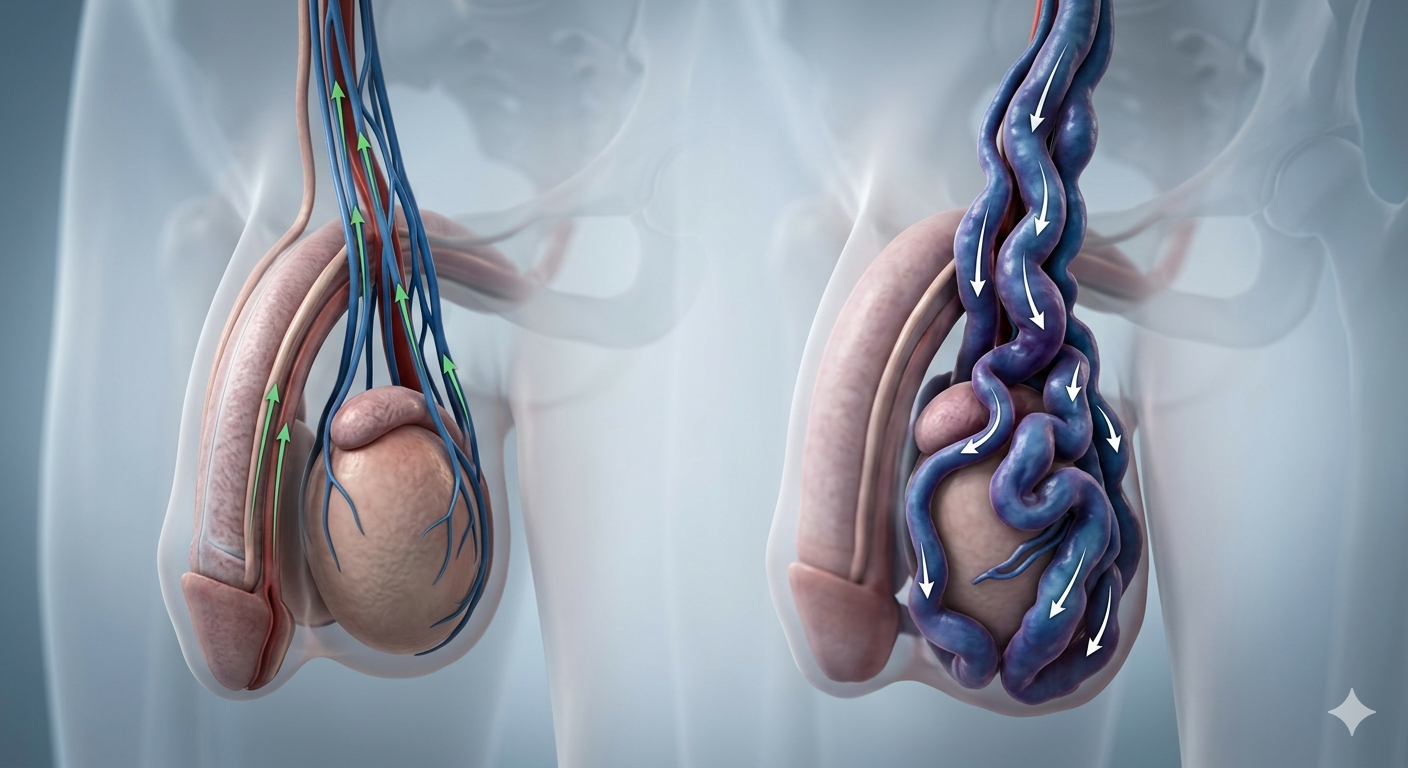
Vericocale

Vericose veins
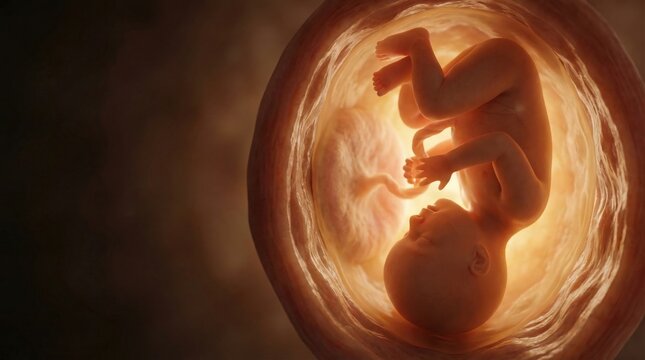
Umbilical
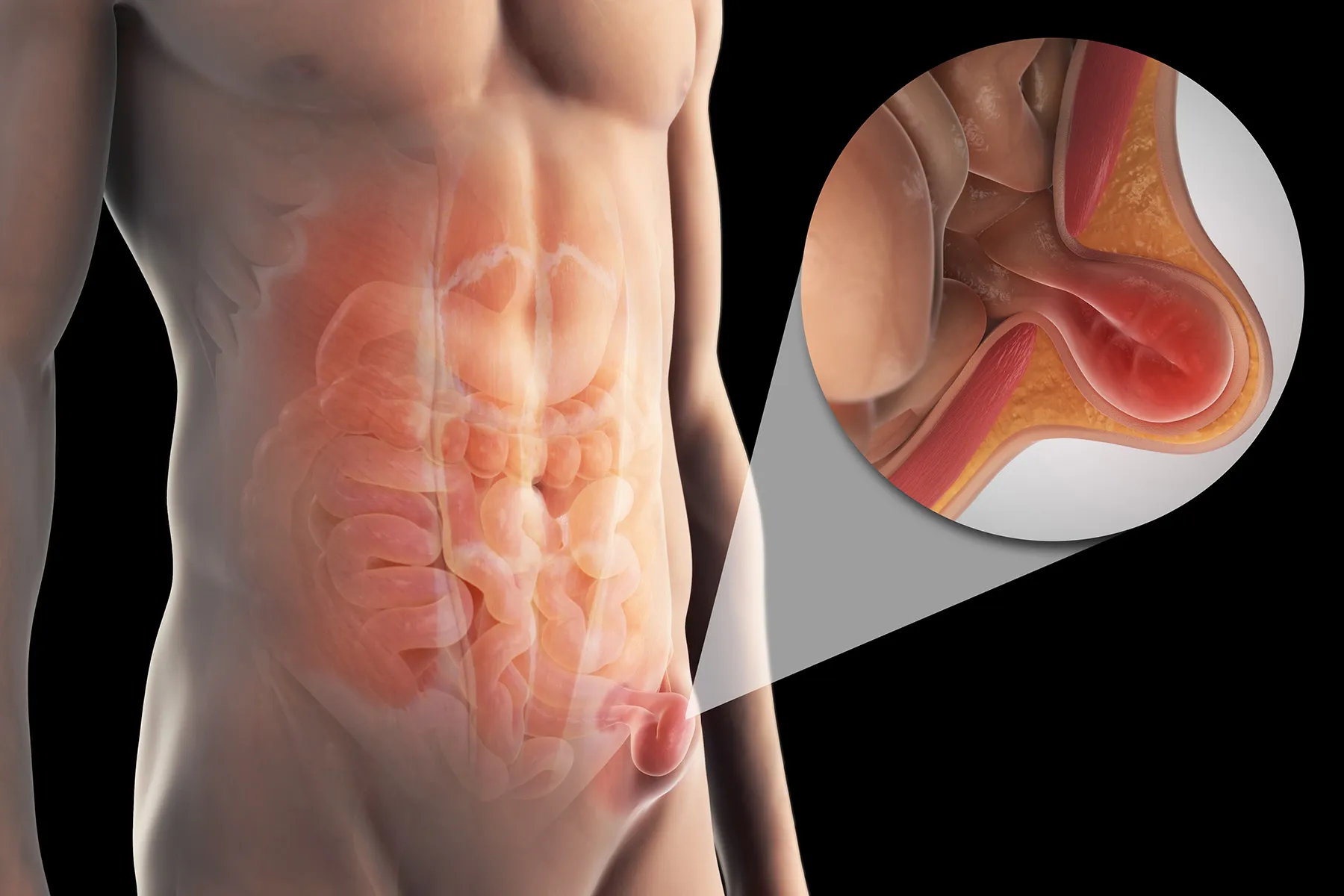
Inguinal Hernia
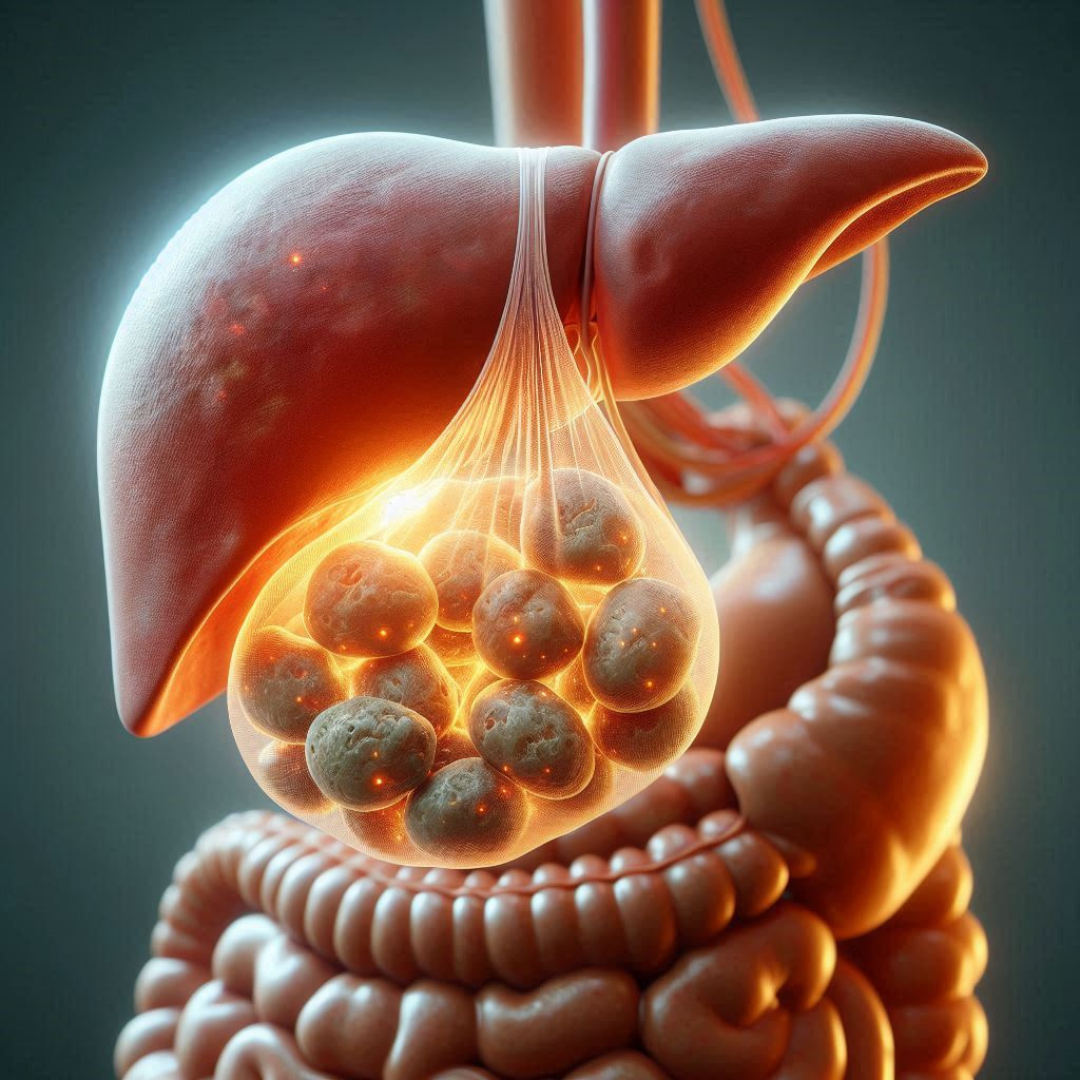
Gall Stone
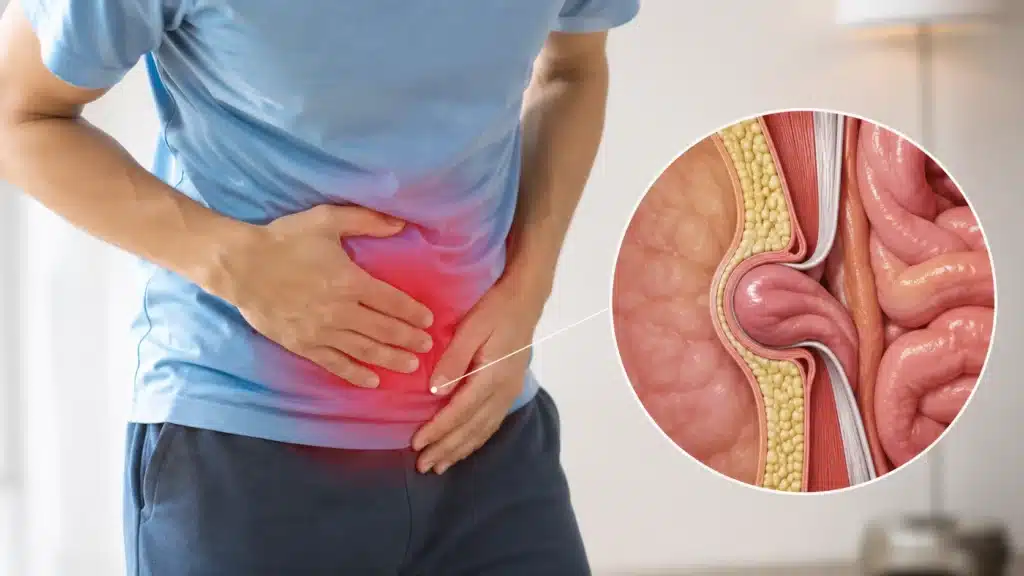
Hernia

Vision-correction procedures
/assets/images/provider/photos/2790562.jpg)
LASIK
Cataract

Rectal Prolapse

Pilonidal Sinus
Anal Fissue

Anal fistula

Piles
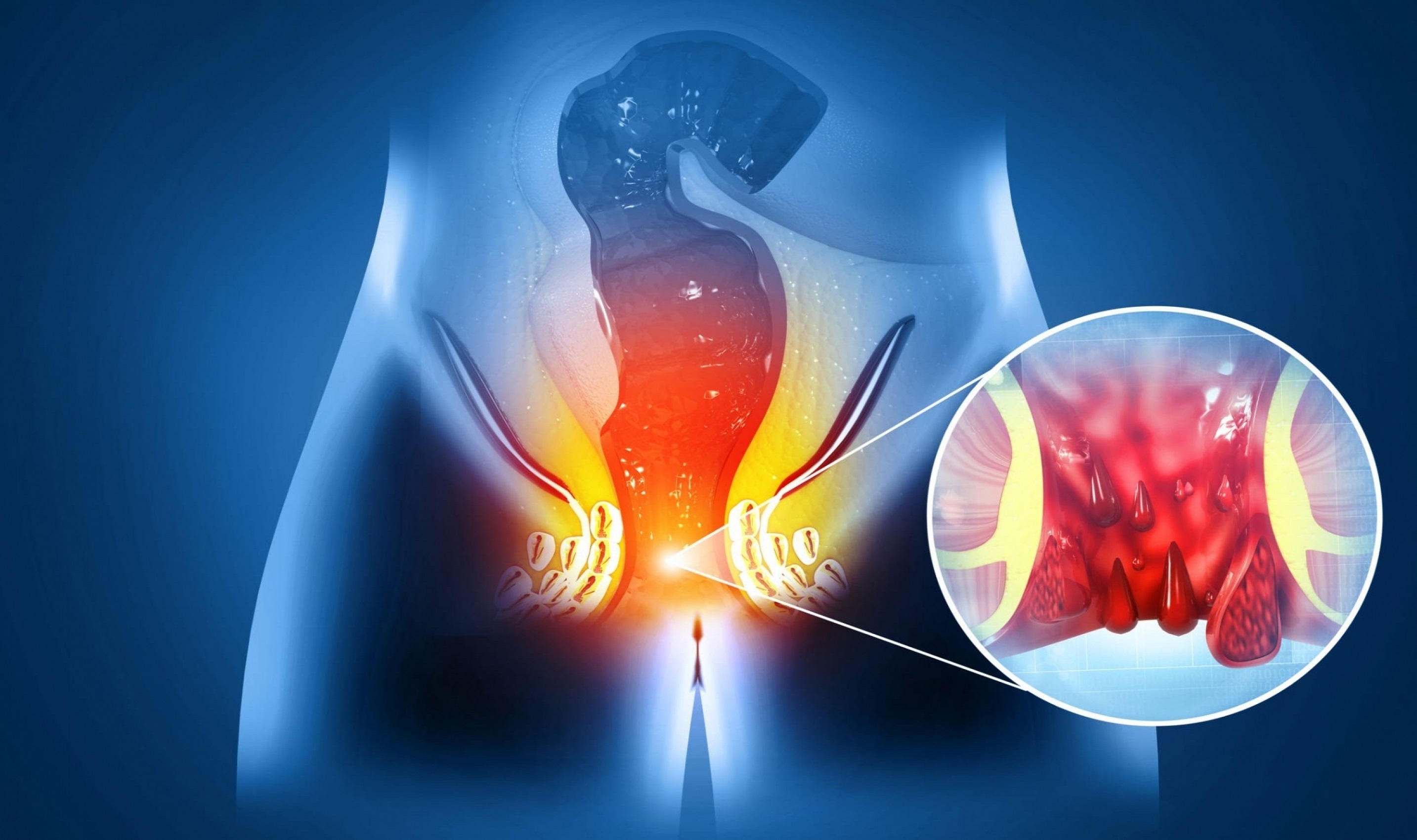
Piles & Fistula

Appendix
Gallbladder (laparoscopic)

Hernia repair
Arthroscopy

Fracture & Trauma care
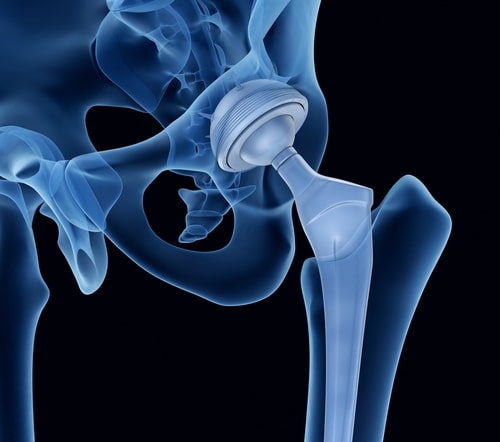
Hip replacement

Knee replacement
Uterus Removal
Uterus removal, also known as hysterectomy, is a surgical procedure that involves the removal of the uterus. This procedure can be performed for various medical reasons and can have significant implications for a woman's health and reproductive capabilities.
Reasons for Uterus Removal
Uterine Fibroids: Noncancerous growths that can cause pain, heavy bleeding, and other symptoms.
Endometriosis: A condition where tissue similar to the lining of the uterus grows outside of it, leading to pain and fertility issues.
Uterine Prolapse: A condition where the uterus descends into the vaginal canal due to weakened pelvic support.
Cancer: Uterine or cervical cancer may necessitate removal of the uterus.
Abnormal Bleeding: Chronic heavy bleeding that does not respond to other treatments may require hysterectomy.
Types of Hysterectomy
Total Hysterectomy: Removal of the uterus and cervix.
Subtotal (or Partial) Hysterectomy: Removal of the uterus while leaving the cervix intact.
Radical Hysterectomy: Removal of the uterus, cervix, surrounding tissues, and possibly part of the vagina, usually performed in cases of cancer.
Risks and Considerations
Surgical Risks: As with any surgery, there are risks of infection, bleeding, and complications from anesthesia.
Hormonal Changes: If the ovaries are removed during the procedure, it can lead to hormonal imbalances and menopause.
Emotional Impact: The psychological effects of losing the ability to conceive can be significant for some women.
Recovery and Aftercare
Recovery from a hysterectomy varies depending on the type of surgery performed. Generally, patients may need several weeks to recover fully. Post-operative care includes:
Rest and gradual return to normal activities.
Pain management as prescribed by the physician.
Follow-up appointments to monitor healing.
Conclusion
Uterus removal is a significant medical procedure that can alleviate various health issues but also requires careful consideration of the associated risks and emotional impacts. It is essential for individuals to discuss their options thoroughly with their healthcare provider.
FREE CONSULTATION
Let's Find the Right Care for You - At No Cost
Answer 4 quick questions. Our team will call you within a few hours with the best hospital and doctor match for your needs.