
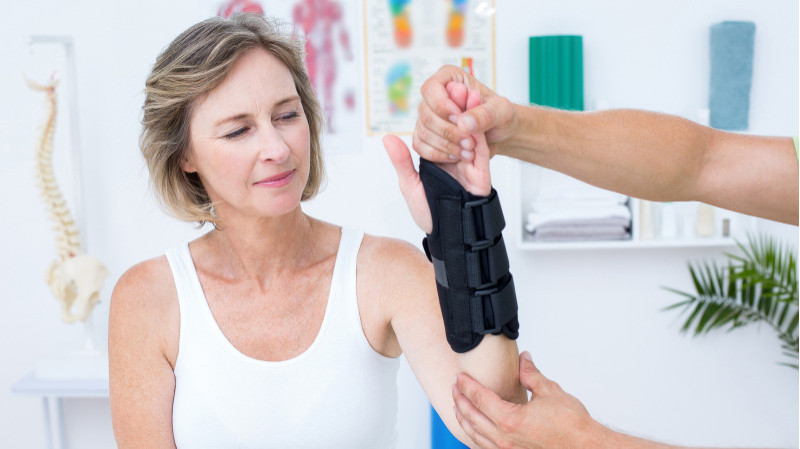
Fracture & Trauma care
Orthopedic Surgery
Every Surgery, One Trusted Door
Whatever the procedure, our job is the same — connect you with a surgeon and hospital you can trust, at a price you can plan for. Here's what we help patients access:

Appendix
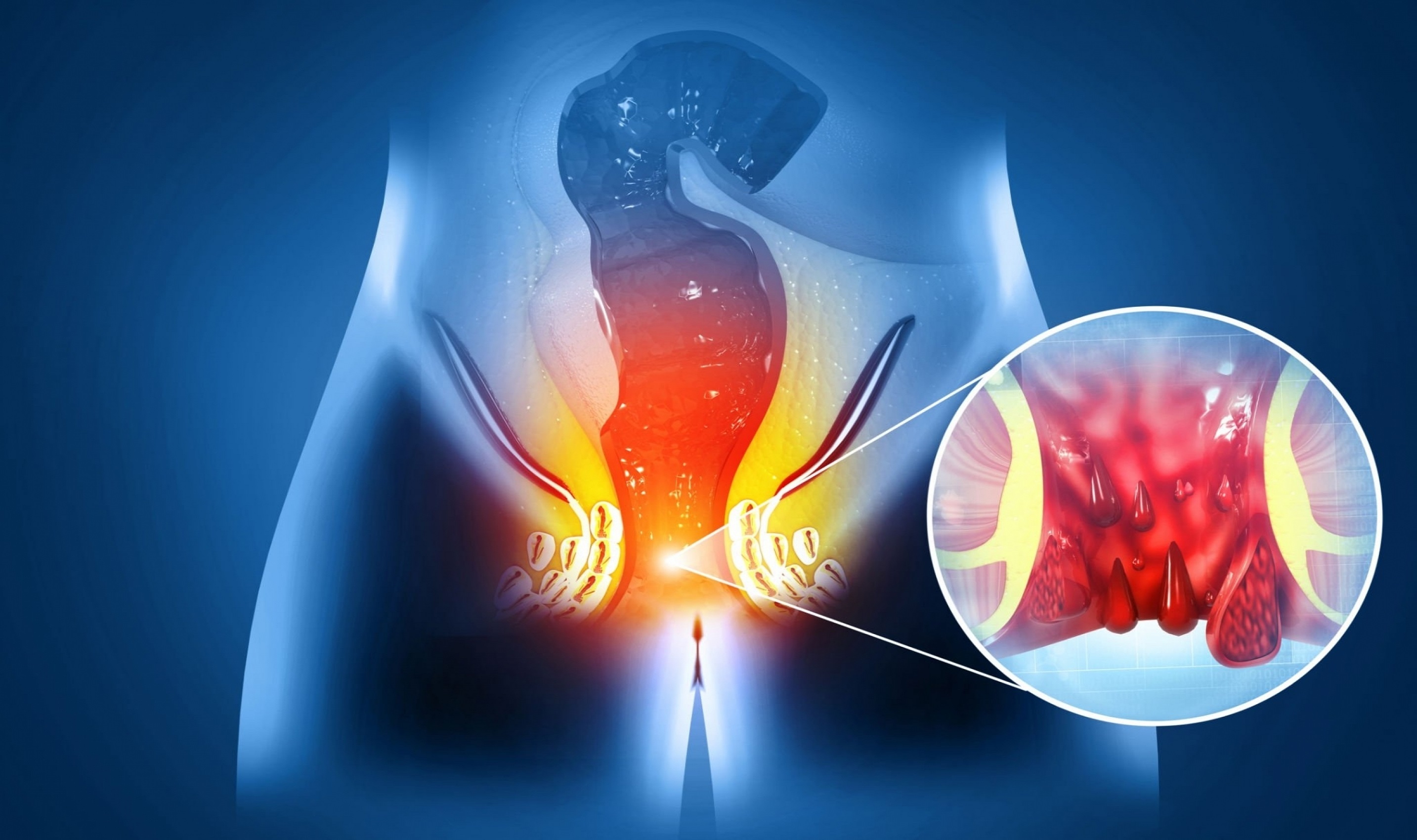
Piles & Fistula
Gallbladder (laparoscopic)

Hernia repair
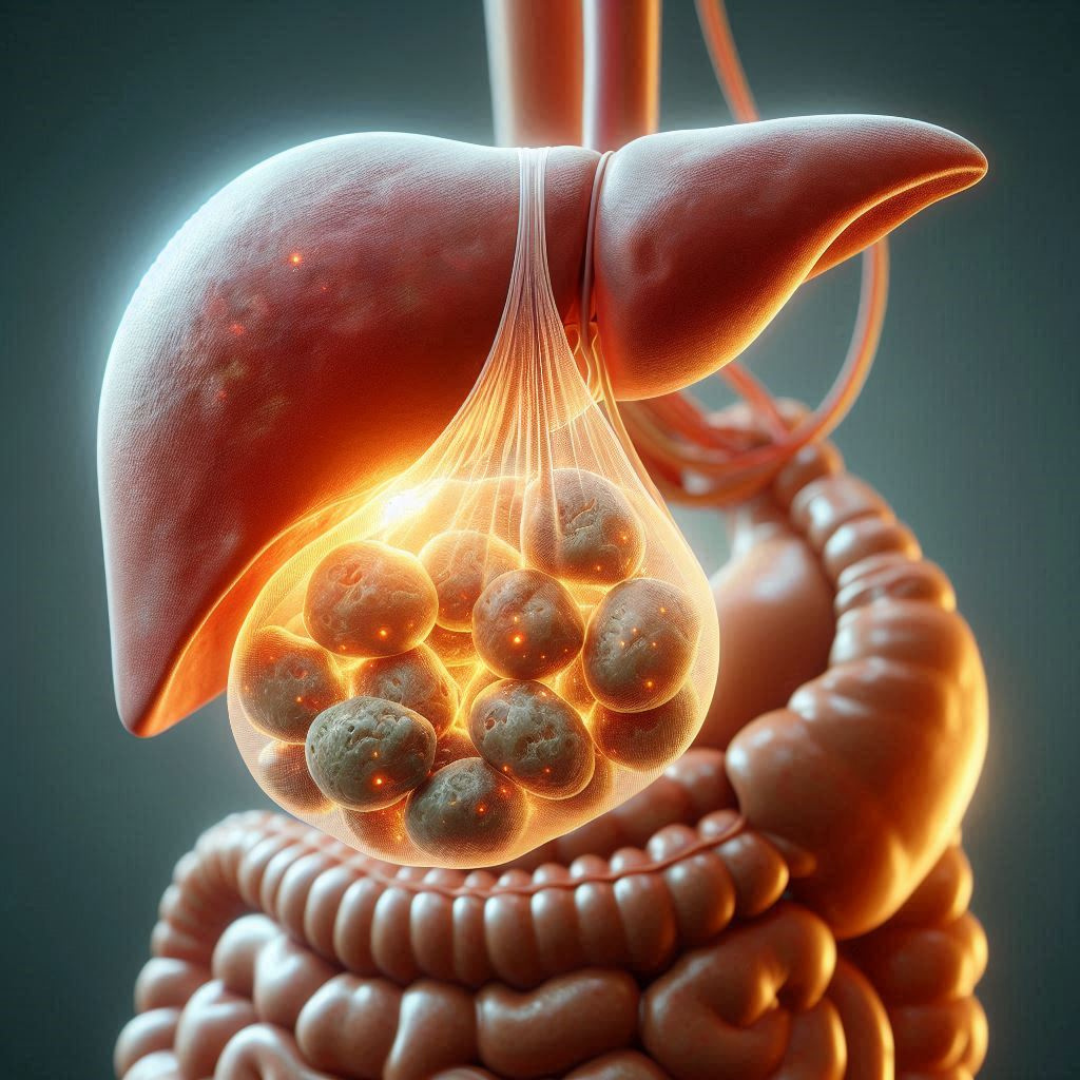
Gall Stone
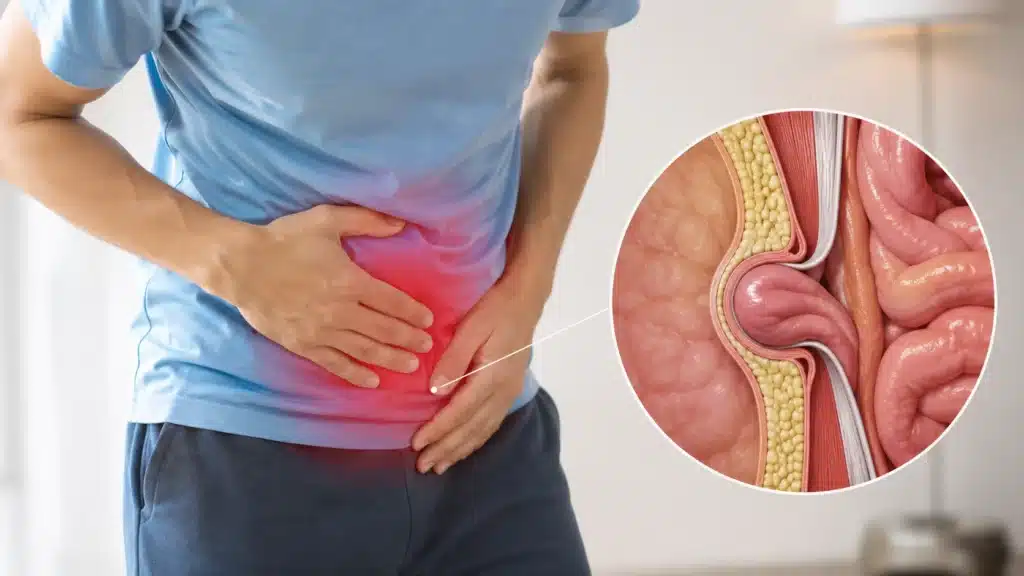
Hernia
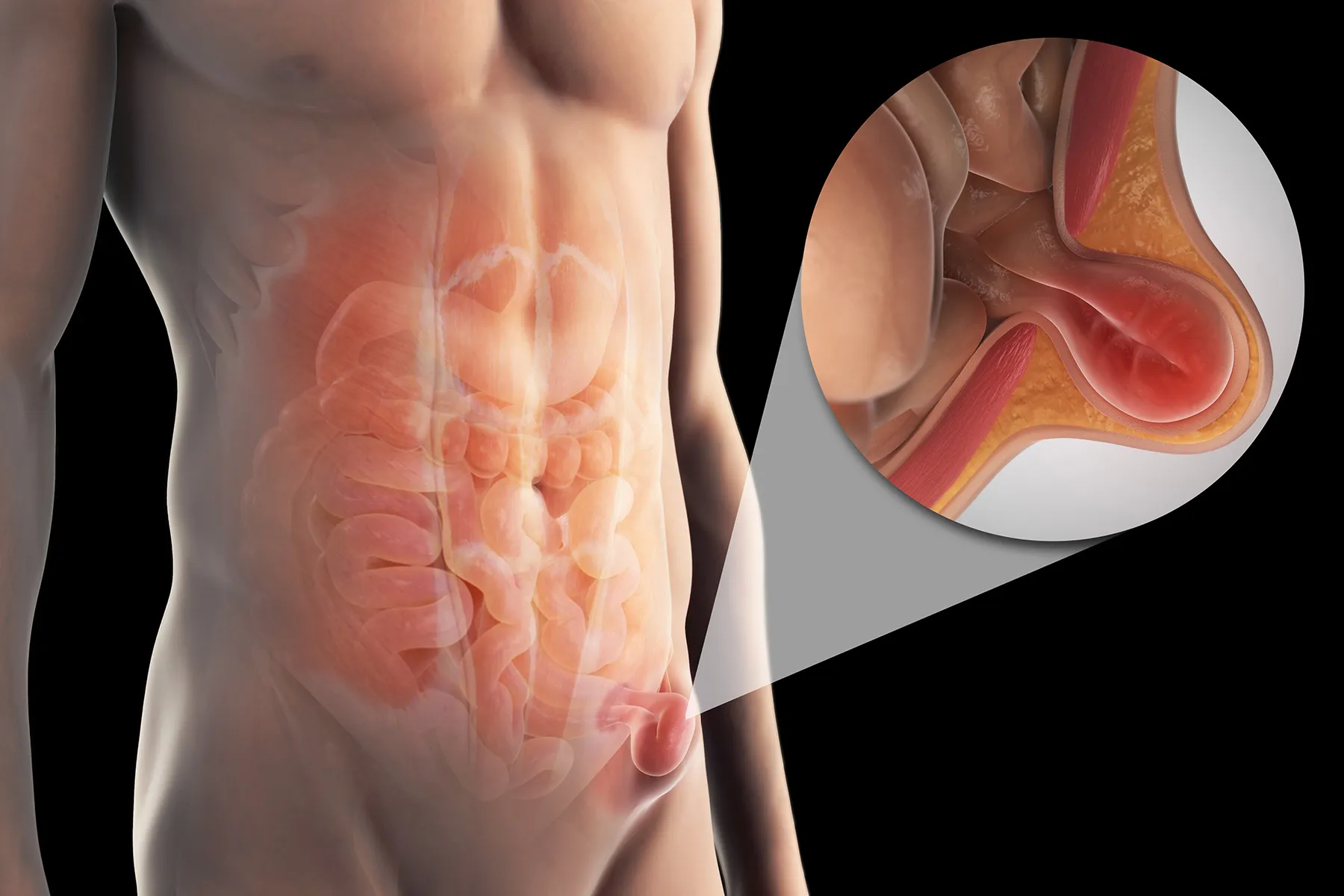
Inguinal Hernia
Umbilical Hernia

MTP (Medical Termination of Pregnancy)
Uterus Removal
Ovarian Cyst

Loose Vagina
Vaginoplasty

Labiaplasty
Vaginal Wart Removal
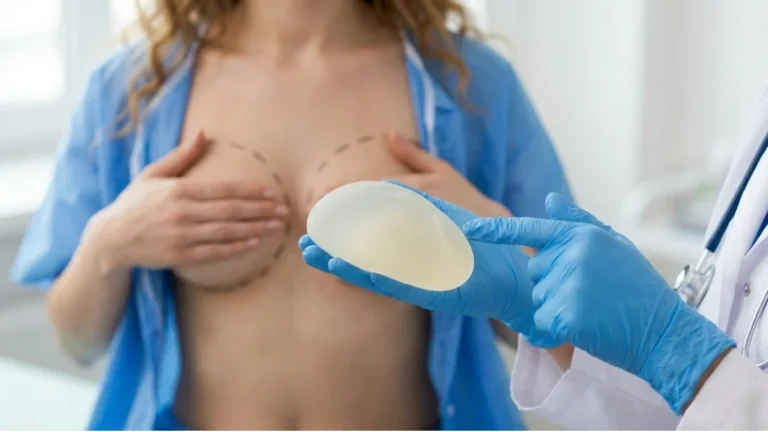
Breast Augmentation
Axillary Breast
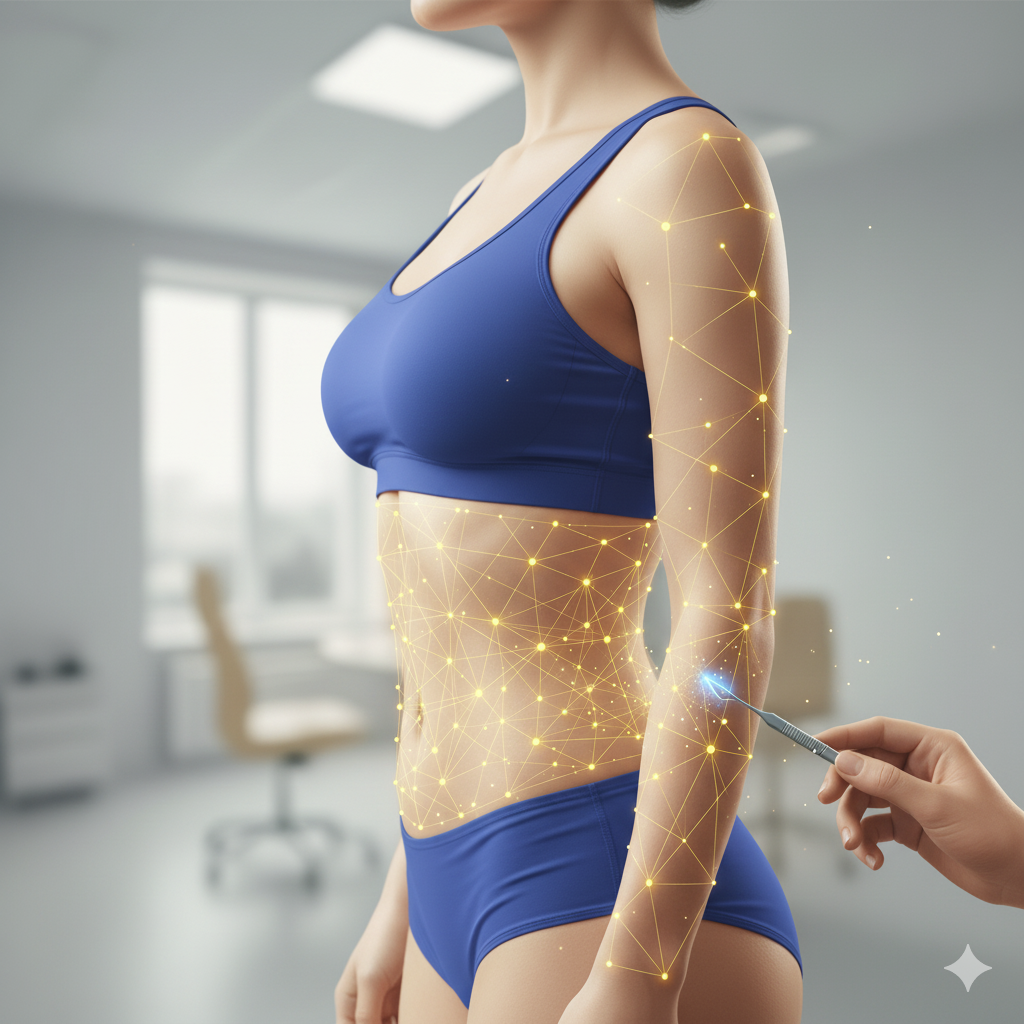
Tummy Tuck
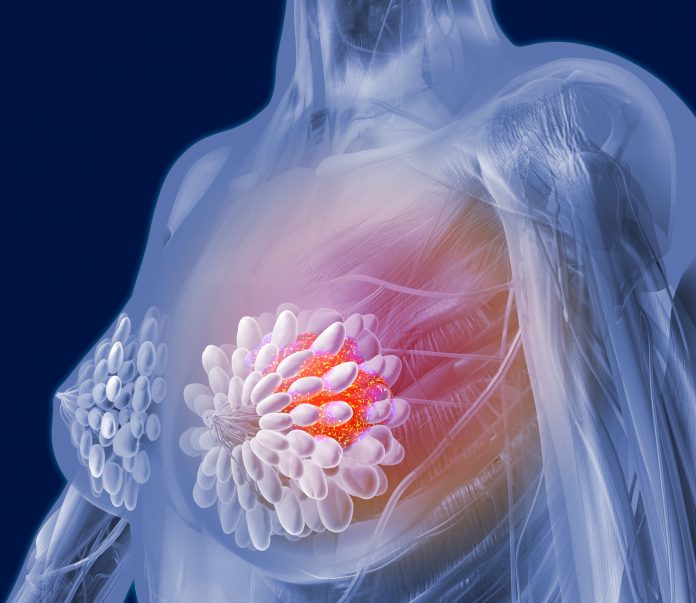
Breast Lump
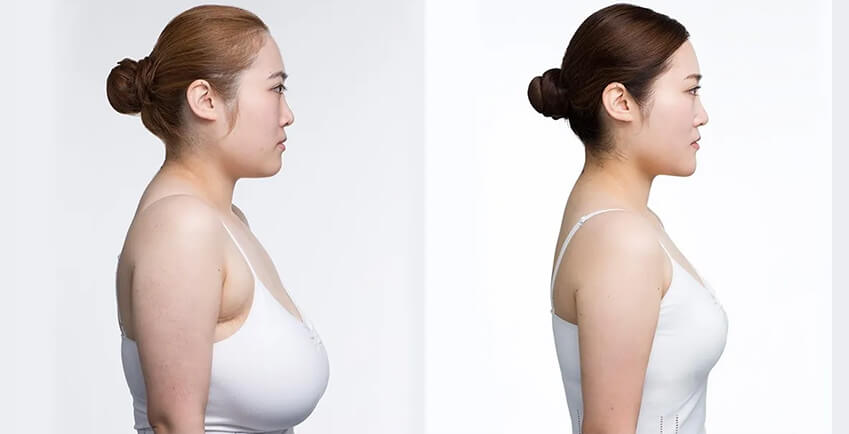
Breast Reduction

Buccal Fat Removal

Hair Fall PRP
Hair Transplant
Blepharoplasty
Eyelid Lift Surgery

Rhinoplasty

Sebaceous Cyst
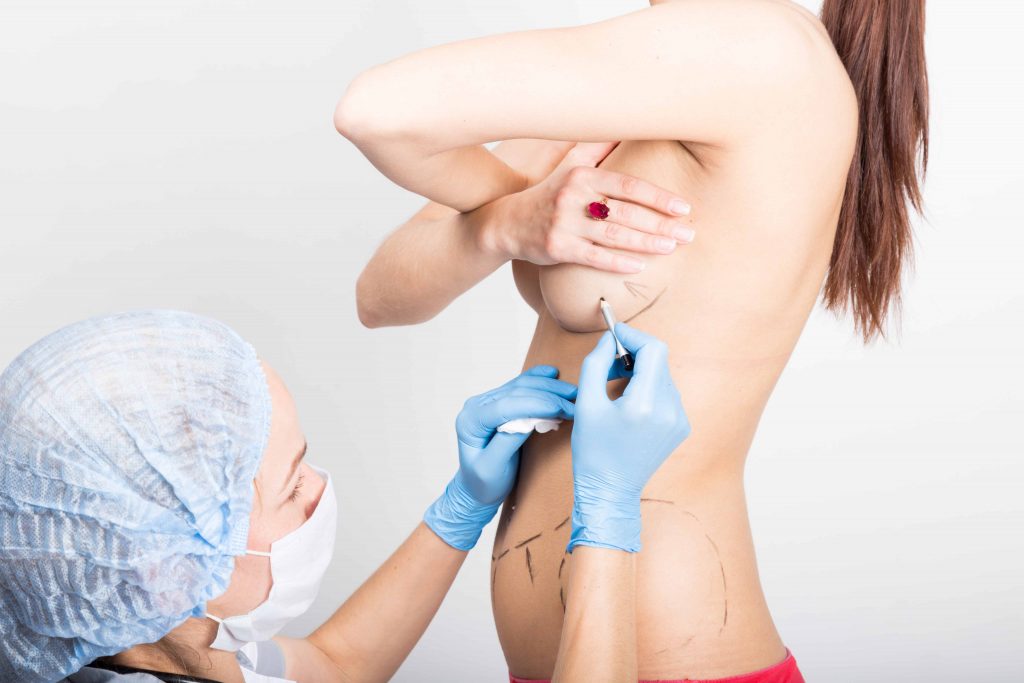
Breast lift

Lipoma

Liposuction

Gynecomestia
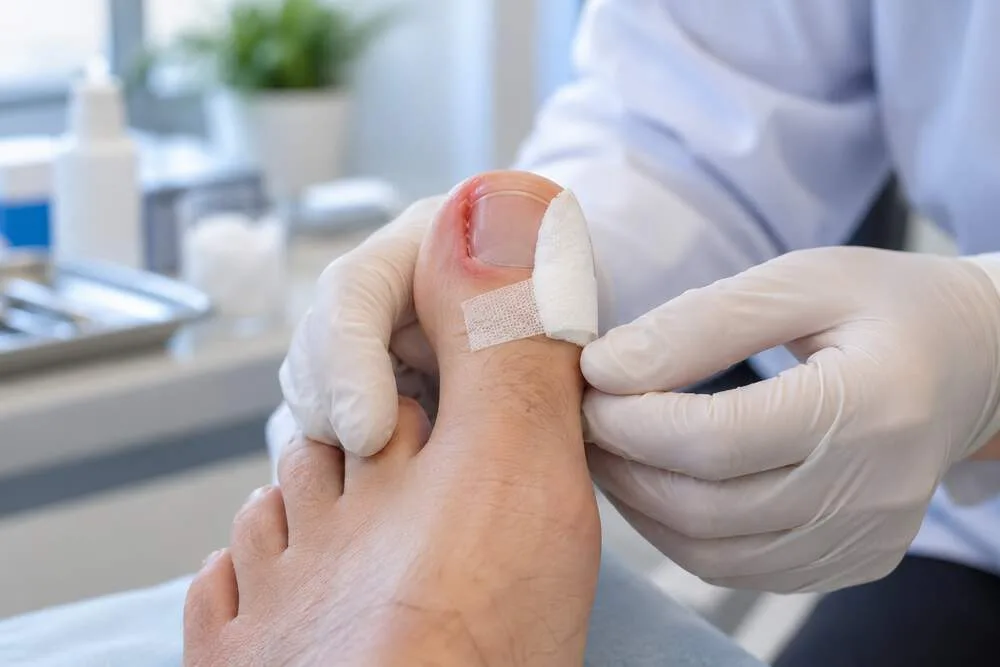
Toenail removal
Vasectomy
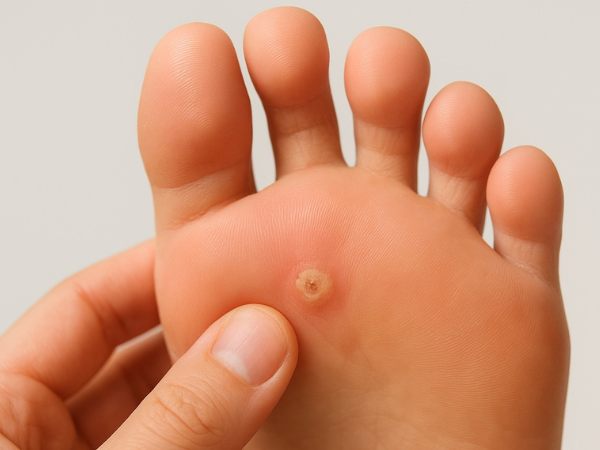
Corn Removal
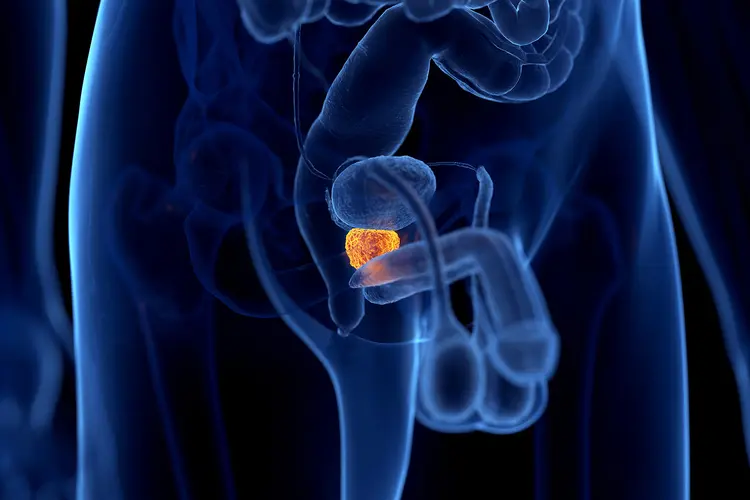
Prostate
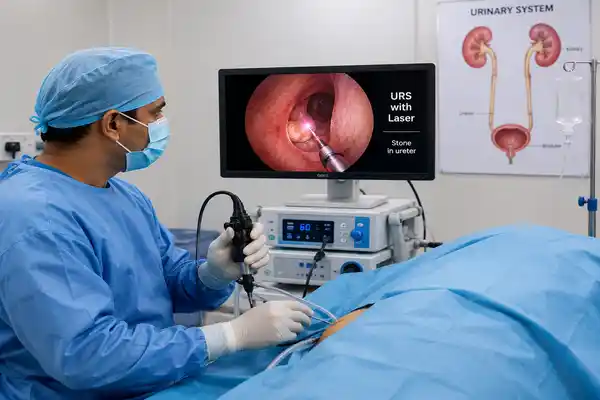
URSL SX
PNCL SX
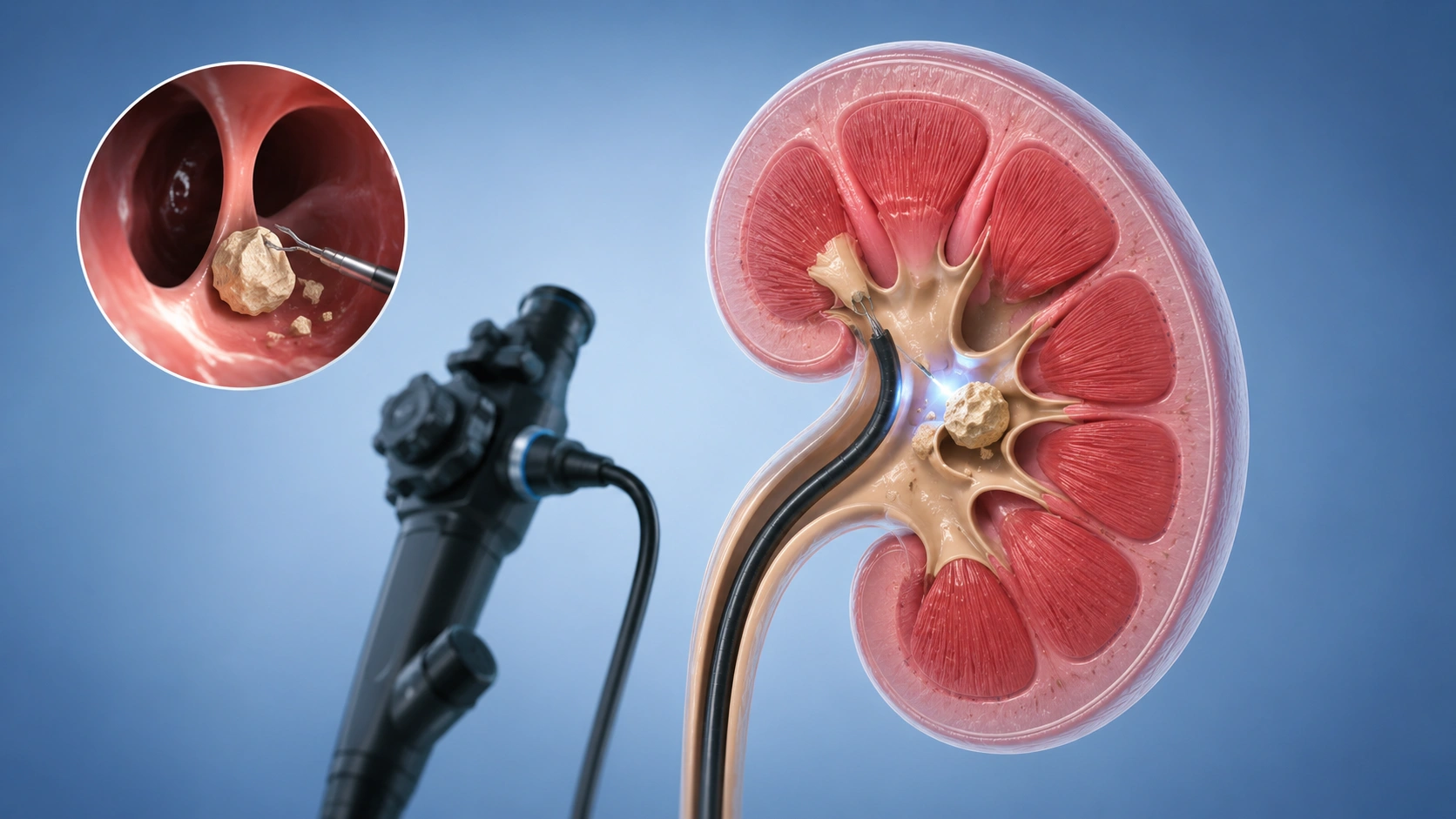
RIRS SX

ESWL SX
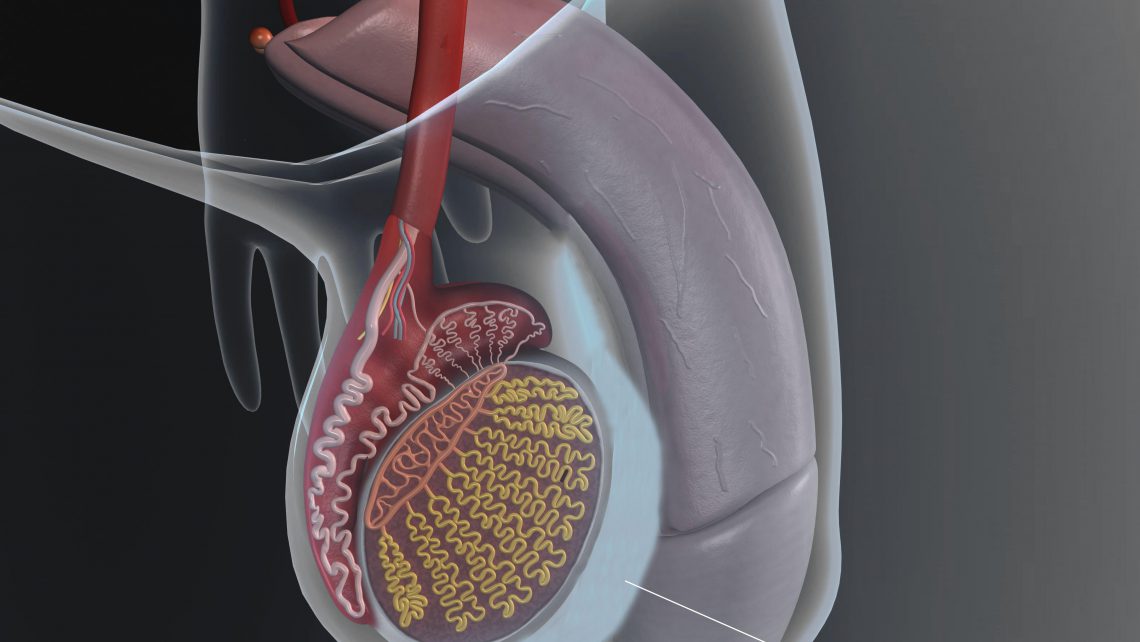
Hydrocale

Kidney Stone

Circumcision

Spatz intergastic Balloning
Bariatric SX
AV Fistula
Diabetic foot

Uterine Fibroids
Deep vein throm
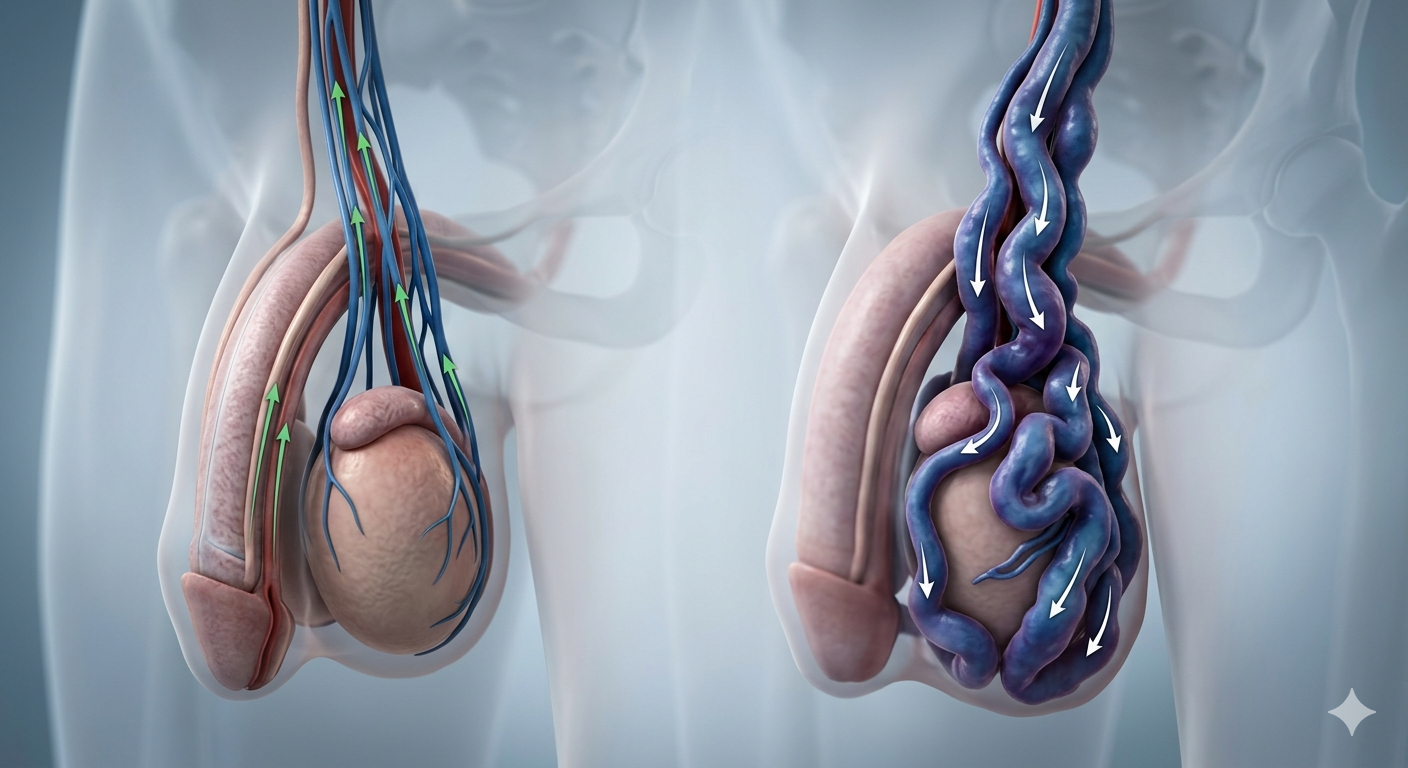
Vericocale

Vericose veins
Vision-correction procedures

LASIK
Cataract

Rectal Prolapse

Pilonidal Sinus
Anal Fissure

Anal fistula
Piles
Arthroscopy
Fracture & Trauma care
Hip replacement

Knee replacement
Fracture and Trauma Care
Fracture and trauma care covers the diagnosis and treatment of broken bones and injuries resulting from accidents, falls, sports, or other impact. Fractures can range from small hairline cracks to severe, complex breaks involving multiple bone fragments or surrounding soft tissue damage, and timely treatment is essential for proper healing, restoring function, and preventing long-term complications.
Treatment Methods :
Depending on the type, location, and severity of the fracture, treatment options may include:
Closed Reduction and Casting – Realigning the broken bone without surgery and stabilizing it with a cast or splint, used for simple, stable fractures.
Open Reduction and Internal Fixation (ORIF) – Surgical realignment of the fracture using plates, screws, or rods to hold the bone in place, used for more complex or displaced fractures.
External Fixation – A frame placed outside the body to stabilize severe fractures, particularly useful in cases with significant soft tissue injury or contamination.
Intramedullary Nailing – Insertion of a metal rod through the central canal of long bones to stabilize fractures, commonly used for fractures of the femur, tibia, or humerus.
The appropriate treatment is decided after evaluation by a qualified orthopedic surgeon, based on clinical examination and imaging.
Eligibility & Age
Treatment is required for any confirmed fracture, with the approach guided by the type, location, and severity of the break, as well as associated soft tissue or vascular injury.
There is no fixed age limit for fracture and trauma care — treatment is needed across all age groups, from children to the elderly. Suitability of a specific technique depends on bone quality, fracture pattern, overall health, and healing capacity.
Conclusion
Fractures vary widely in severity, and the right treatment depends on the specific type and location of the break. Prompt evaluation by a qualified orthopedic surgeon is important to ensure proper healing and recovery.
Get evaluated by a qualified surgeon through Surgi Solution and explore treatment options suitable for your condition.
FREE CONSULTATION
Let's Find the Right Care for You - At No Cost
Answer 4 quick questions. Our team will call you within a few hours with the best hospital and doctor match for your needs.