
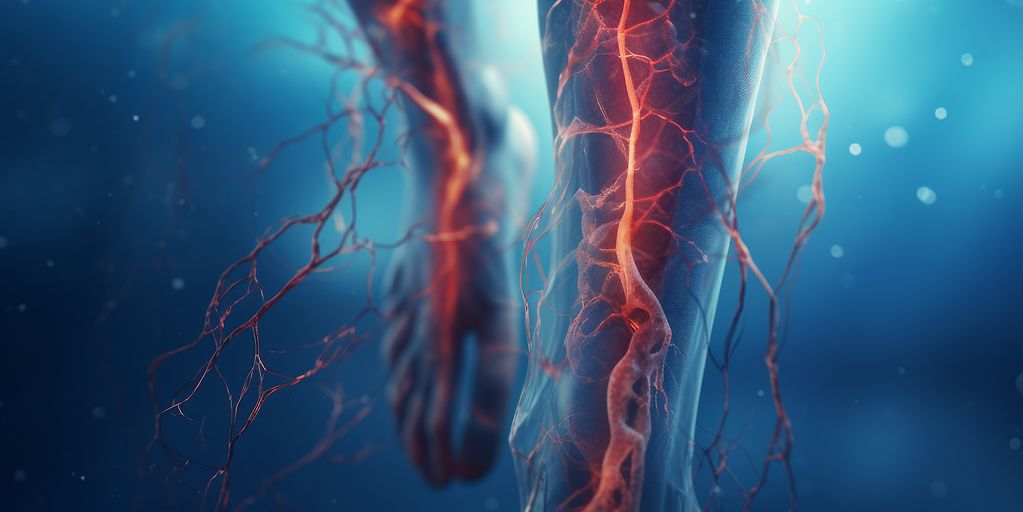
Deep vein throm
Vascular
Every Surgery, One Trusted Door
Whatever the procedure, our job is the same — connect you with a surgeon and hospital you can trust, at a price you can plan for. Here's what we help patients access:

Appendix
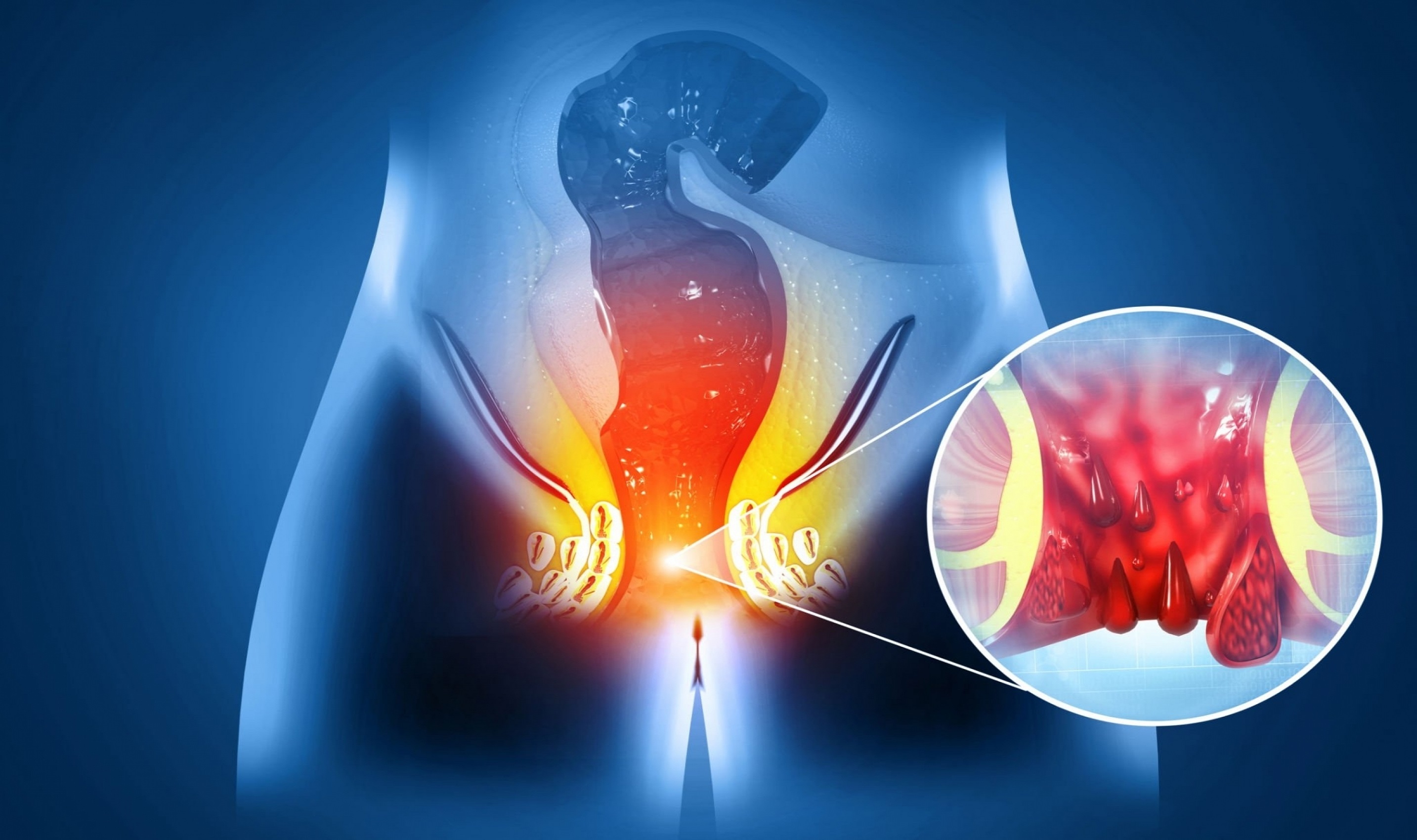
Piles & Fistula
Gallbladder (laparoscopic)

Hernia repair
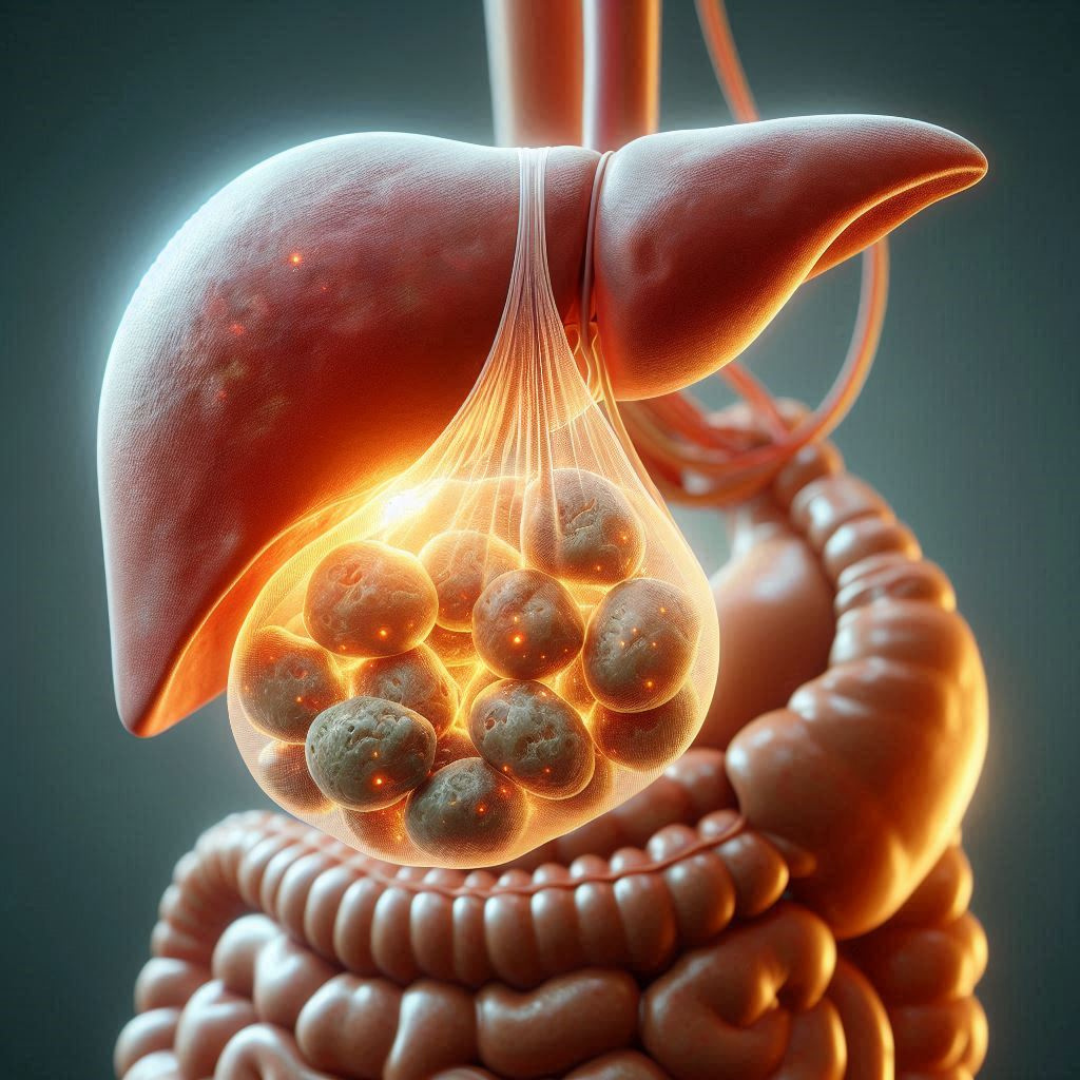
Gall Stone

Hernia
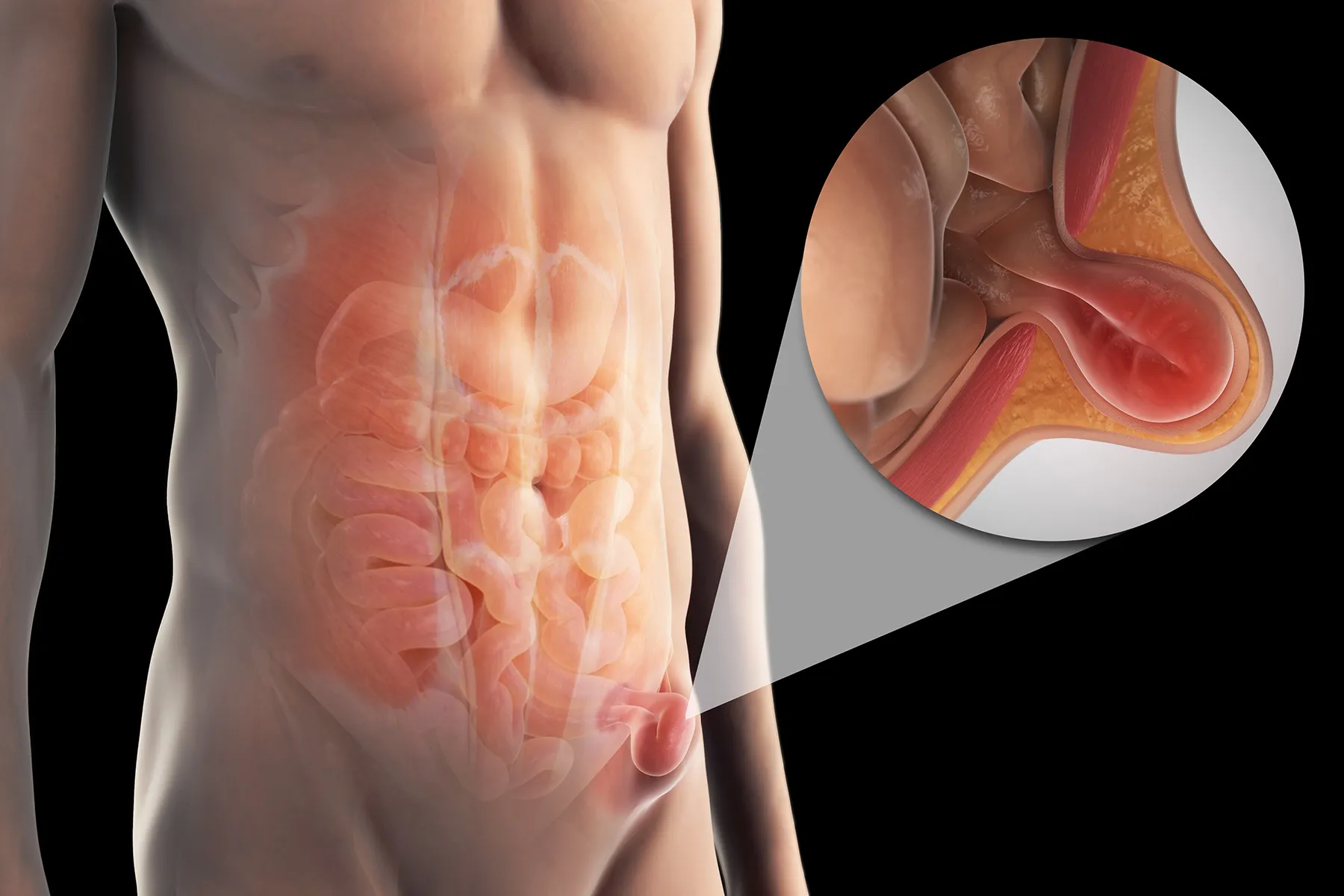
Inguinal Hernia

Umbilical Hernia

MTP (Medical Termination of Pregnancy)
Uterus Removal
Ovarian Cyst

Loose Vagina

Vaginoplasty

Labiaplasty
Vaginal Wart Removal

Breast Augmentation
Axillary Breast

Tummy Tuck
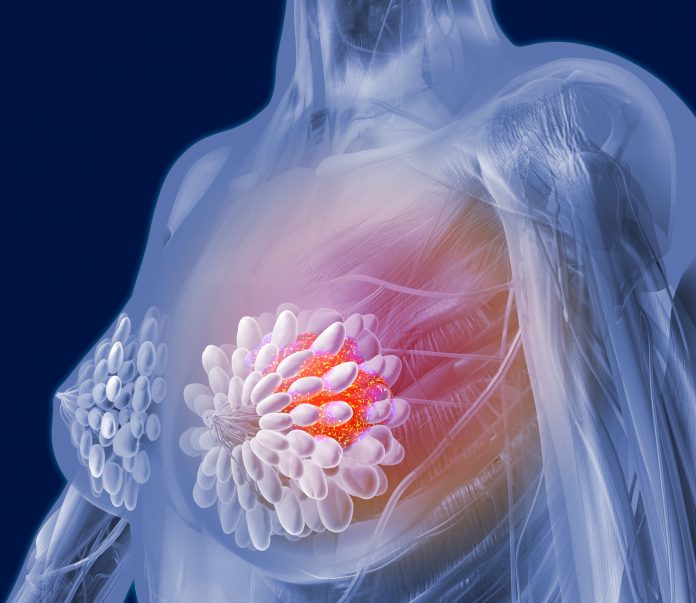
Breast Lump

Breast Reduction

Buccal Fat Removal

Hair Fall PRP
Hair Transplant
Blepharoplasty

Eyelid Lift Surgery

Rhinoplasty

Sebaceous Cyst

Breast lift

Lipoma

Liposuction

Gynecomestia

Toenail removal

Vasectomy

Corn Removal
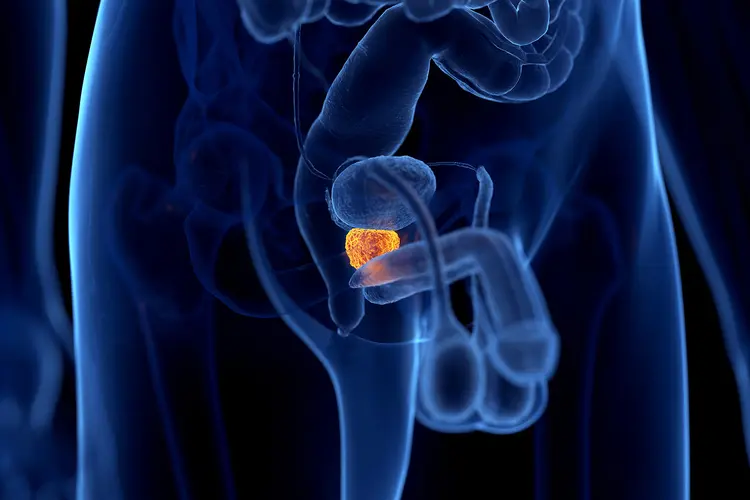
Prostate
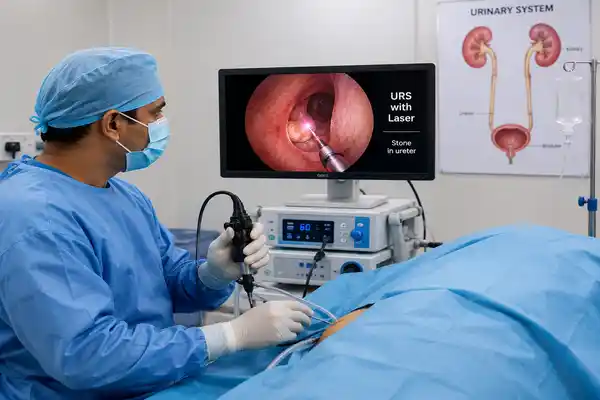
URSL SX
PNCL SX
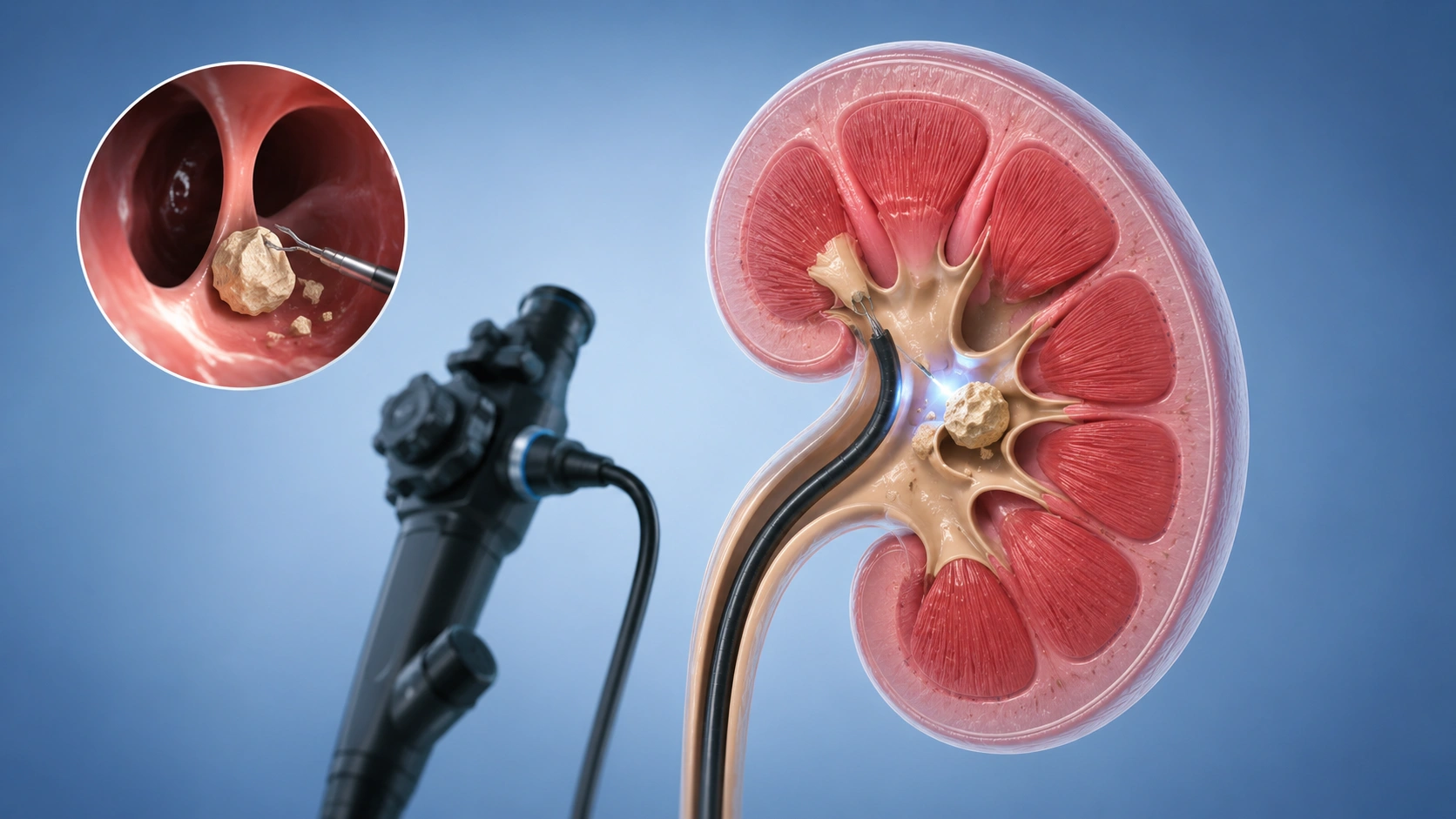
RIRS SX

ESWL SX
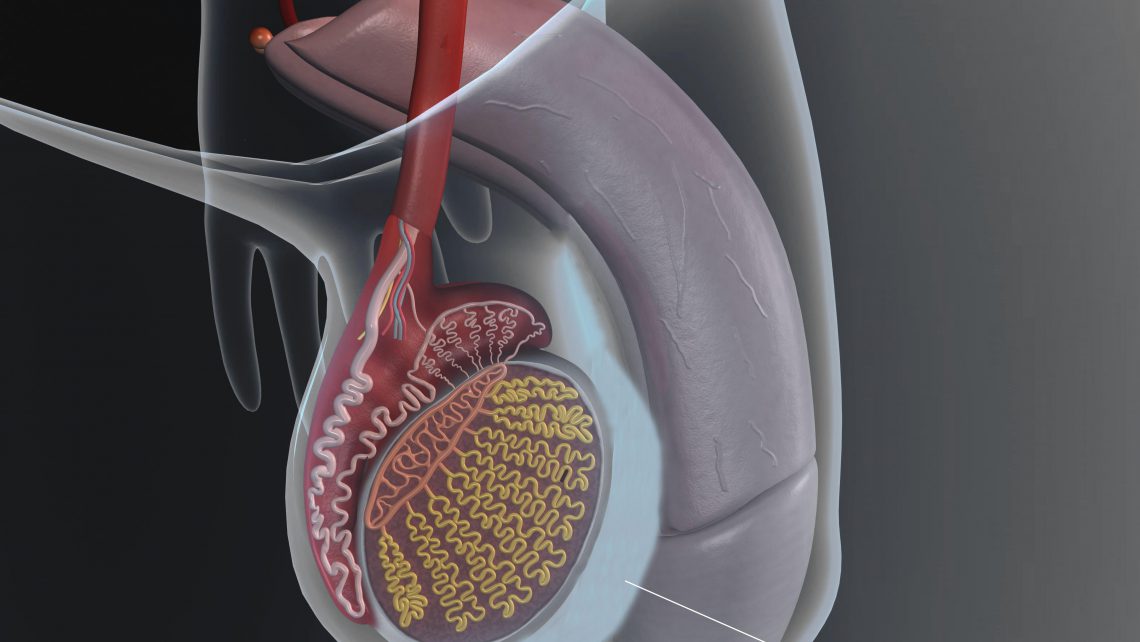
Hydrocale

Kidney Stone

Circumcision

Spatz intergastic Balloning
Bariatric SX
AV Fistula
Diabetic foot

Uterine Fibroids
Deep vein throm
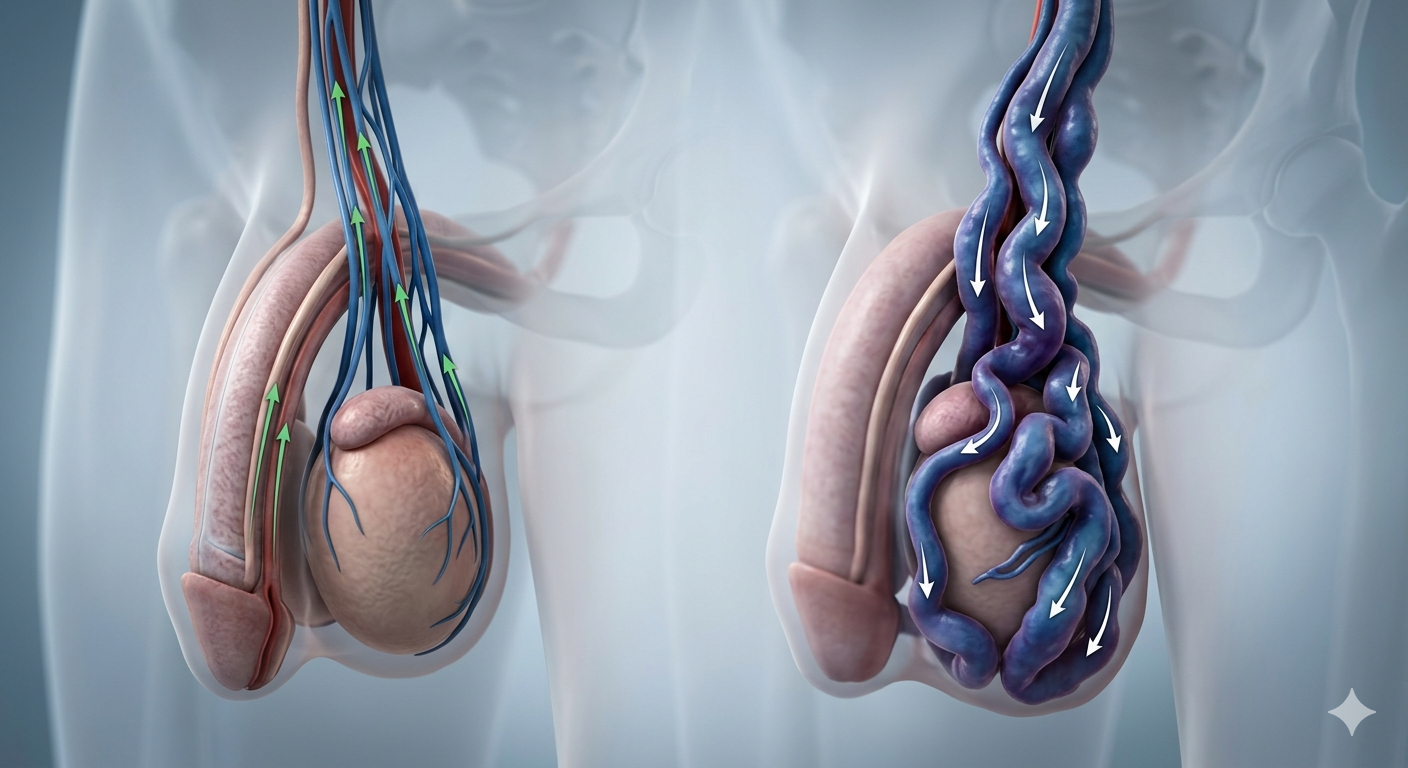
Vericocale

Vericose veins

Vision-correction procedures

LASIK
Cataract

Rectal Prolapse

Pilonidal Sinus
Anal Fissure

Anal fistula

Piles
Arthroscopy

Fracture & Trauma care
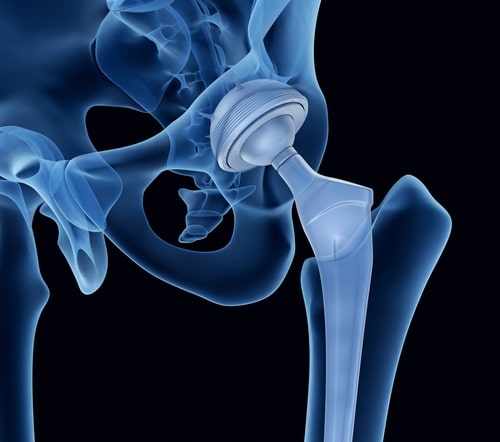
Hip replacement

Knee replacement
Deep Vein Thrombosis (DVT)
Deep Vein Thrombosis is a condition in which a blood clot forms in one of the deep veins, most commonly in the legs. It can cause swelling, pain, warmth, or redness in the affected leg, though in some cases it presents with few or no symptoms. DVT is a serious condition because a clot can potentially break loose and travel to the lungs, causing a life-threatening complication called pulmonary embolism — which is why timely diagnosis and treatment are important.
Treatment Methods :
Depending on the size, location, and severity of the clot, treatment options may include:
Anticoagulant (Blood-Thinning) Therapy – Medication to prevent the clot from growing and reduce the risk of new clots forming, considered the first-line treatment for most cases.
Catheter-Directed Thrombolysis – A minimally invasive procedure where clot-dissolving medication is delivered directly to the clot through a catheter, used for larger or more severe clots.
Mechanical Thrombectomy – Surgical or catheter-based removal of the clot, considered in select, severe, or limb-threatening cases.
IVC Filter Placement – A small filter placed in a major vein to prevent clots from traveling to the lungs, used in patients who cannot take blood thinners or in high-risk situations.
The appropriate treatment is decided after evaluation by a qualified vascular surgeon, usually on an urgent basis.
Eligibility & Age
Evaluation is necessary for anyone with symptoms suggestive of DVT, such as sudden leg swelling, pain, warmth, or redness, particularly in those with risk factors like recent surgery, prolonged immobility, or a history of clotting disorders.
There is no fixed age limit for DVT evaluation or treatment. Suitability for a specific treatment depends on the clot's size and location, bleeding risk, and overall health.
Conclusion
DVT is a serious condition that requires prompt evaluation — delays can increase the risk of complications. If you're experiencing symptoms, please don't wait for a routine consultation.
Get evaluated by a qualified surgeon through Surgi Solution immediately and explore treatment options suitable for your condition.
Note: If there is sudden breathlessness, chest pain, or coughing blood alongside leg symptoms, this may indicate a medical emergency — please seek immediate emergency care rather than scheduling a consultation.
FREE CONSULTATION
Let's Find the Right Care for You - At No Cost
Answer 4 quick questions. Our team will call you within a few hours with the best hospital and doctor match for your needs.