
Cataract
Eye Surgery
Every Surgery, One Trusted Door
Whatever the procedure, our job is the same — connect you with a surgeon and hospital you can trust, at a price you can plan for. Here's what we help patients access:

Appendix
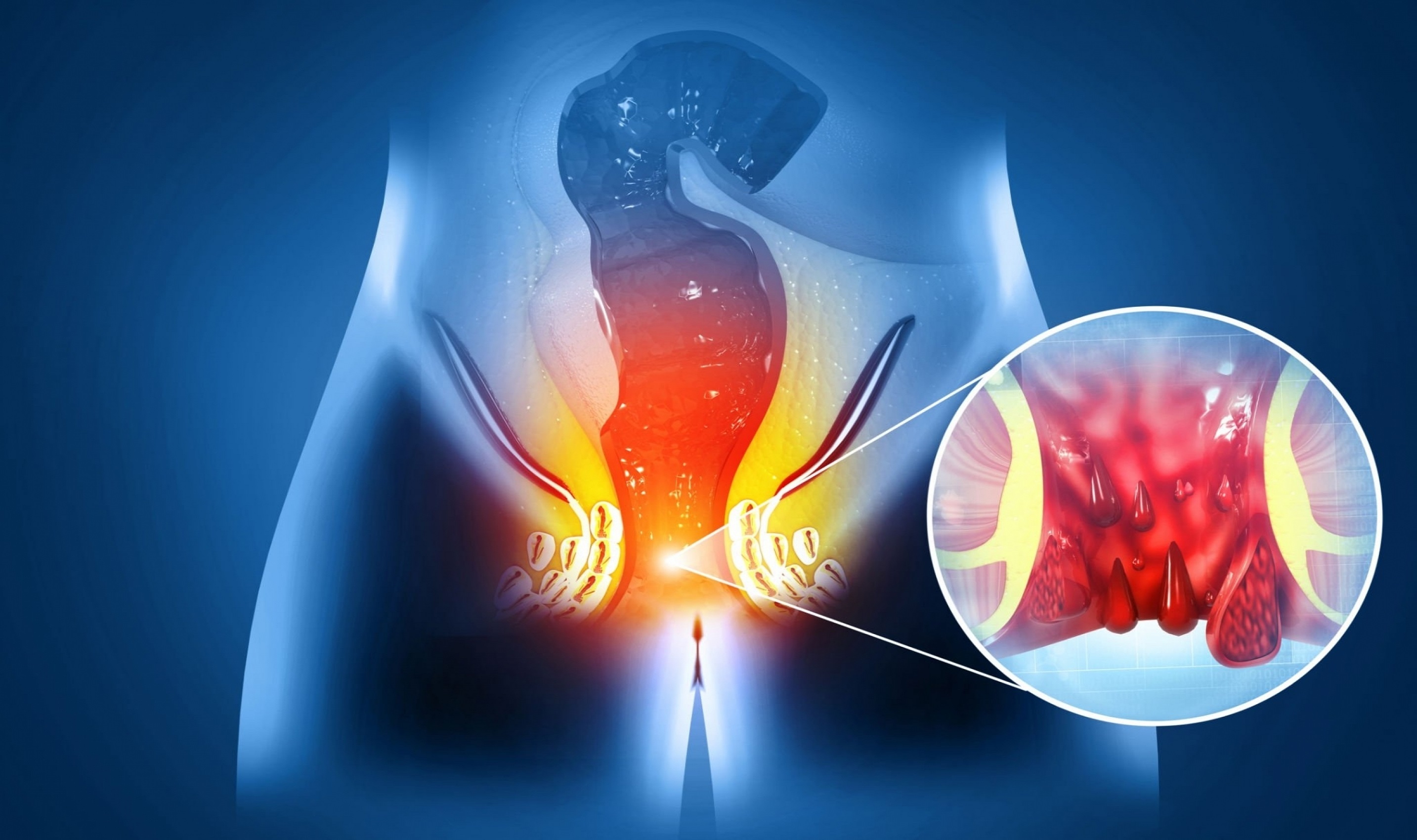
Piles & Fistula
Gallbladder (laparoscopic)

Hernia repair
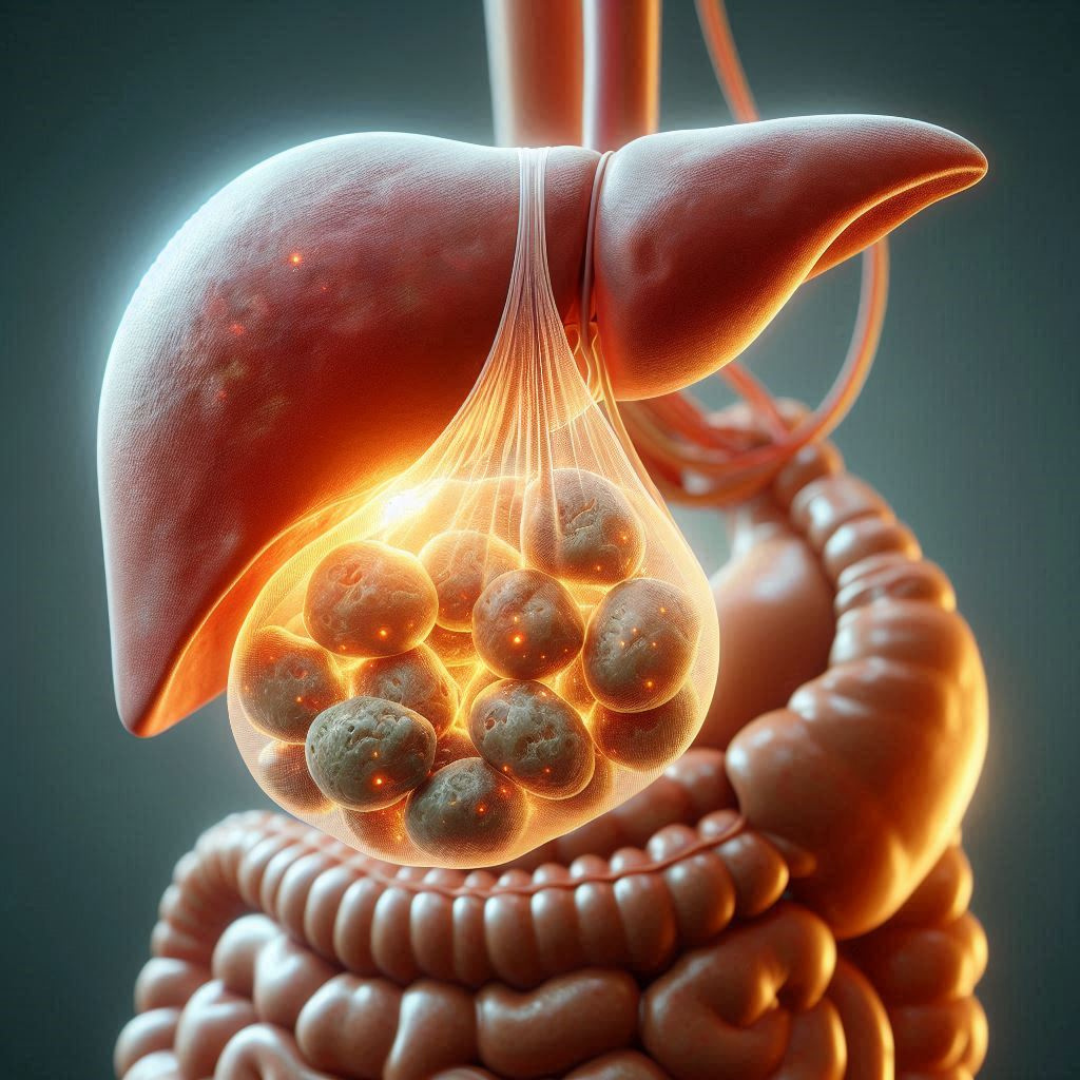
Gall Stone

Hernia
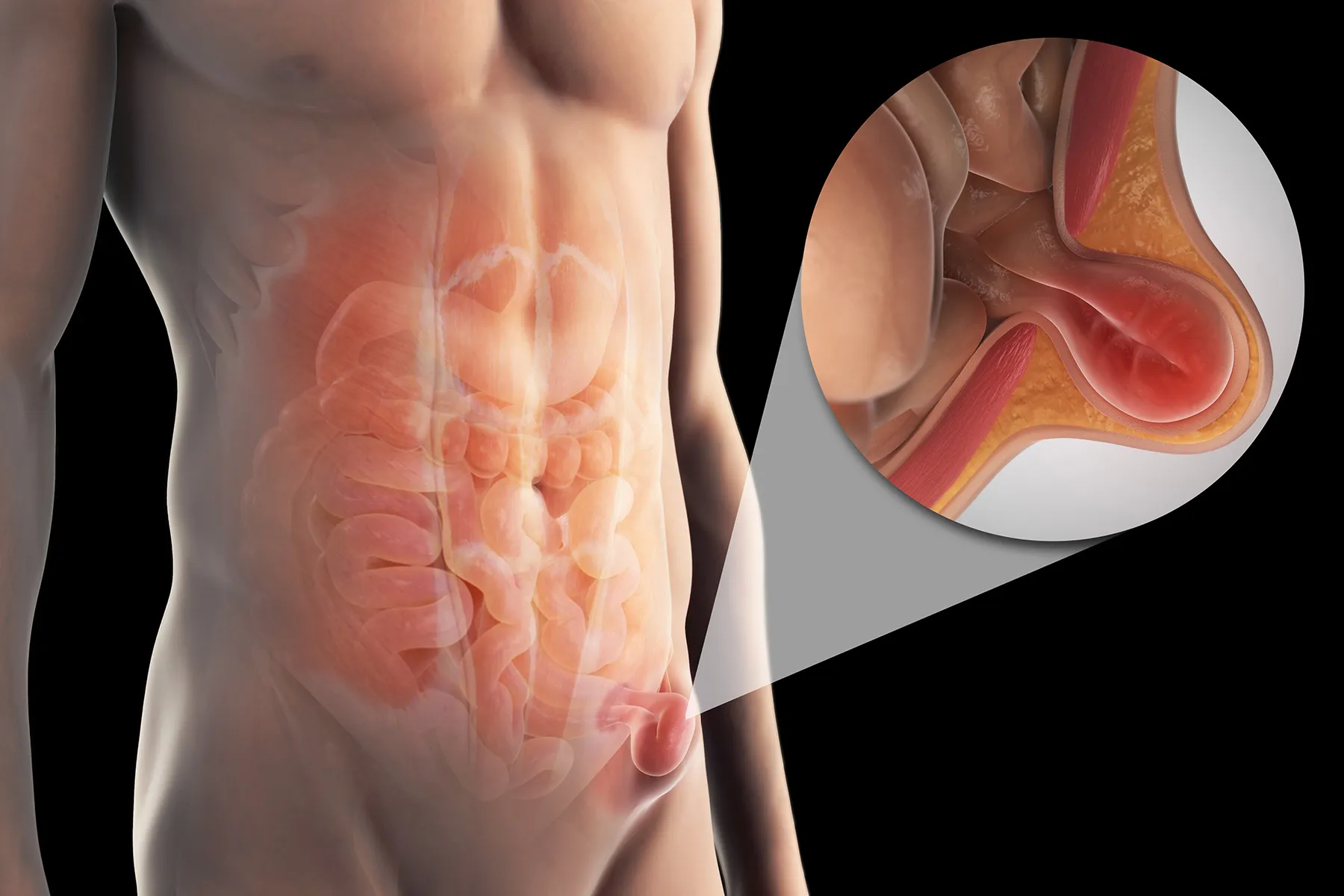
Inguinal Hernia
Umbilical Hernia

MTP (Medical Termination of Pregnancy)
Uterus Removal
Ovarian Cyst

Loose Vagina

Vaginoplasty

Labiaplasty
Vaginal Wart Removal
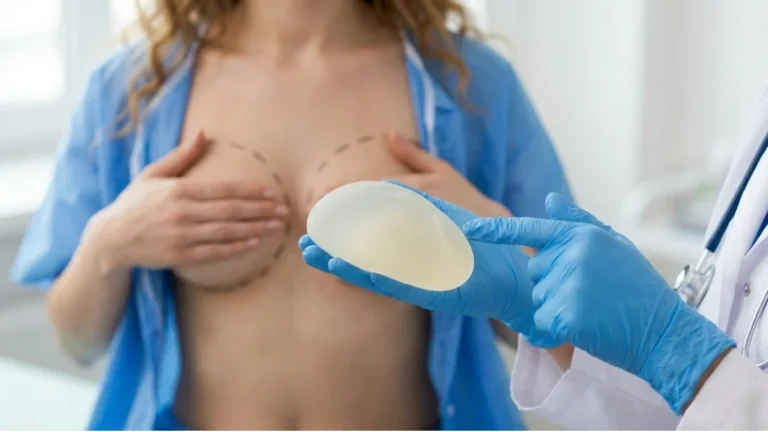
Breast Augmentation
Axillary Breast
Tummy Tuck
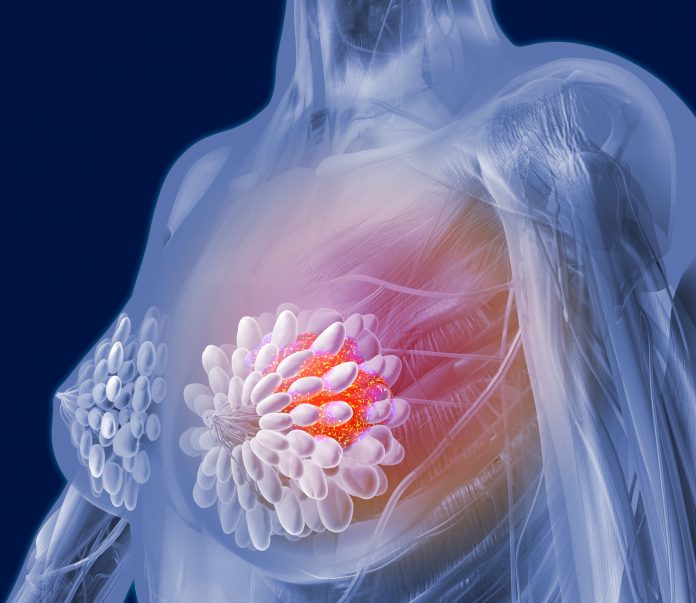
Breast Lump
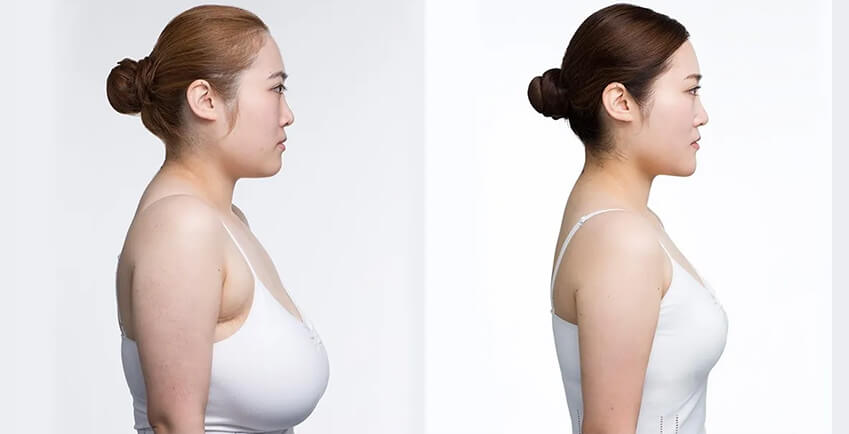
Breast Reduction

Buccal Fat Removal

Hair Fall PRP
Hair Transplant
Blepharoplasty
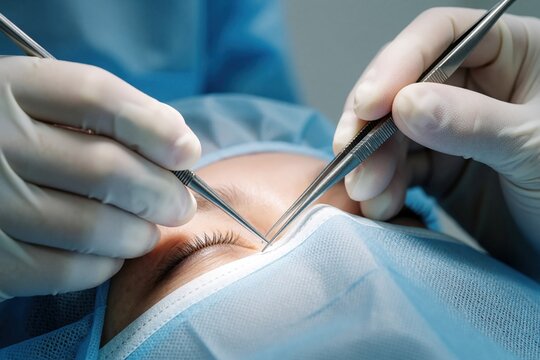
Eyelid Lift Surgery

Rhinoplasty

Sebaceous Cyst
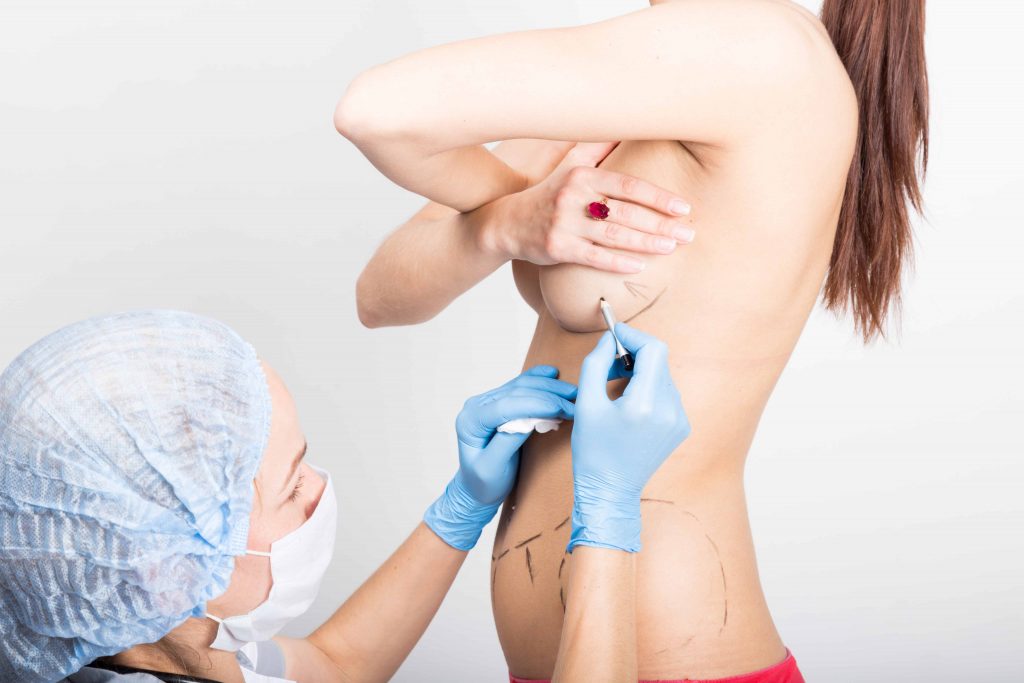
Breast lift

Lipoma

Liposuction

Gynecomestia
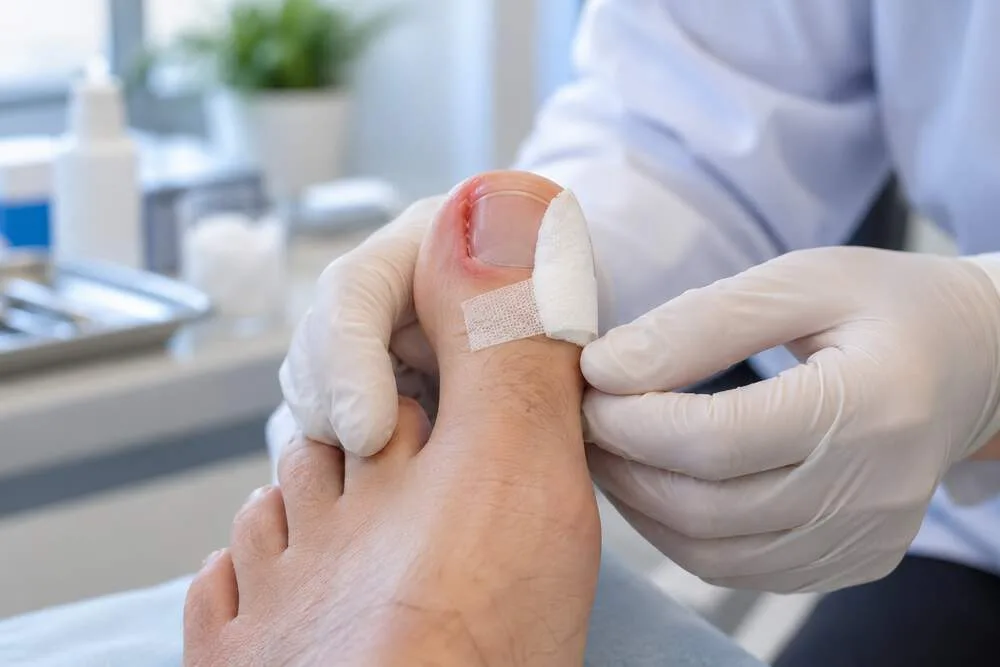
Toenail removal
Vasectomy
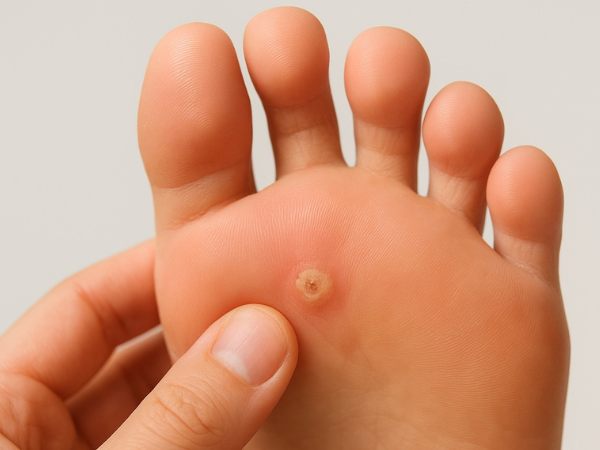
Corn Removal
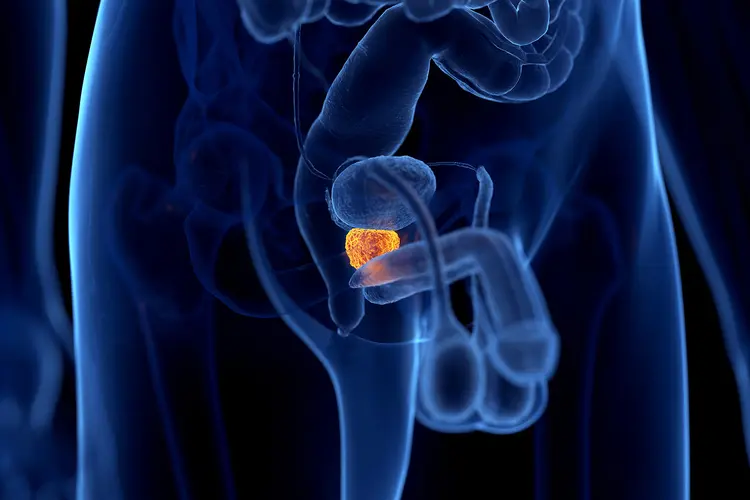
Prostate
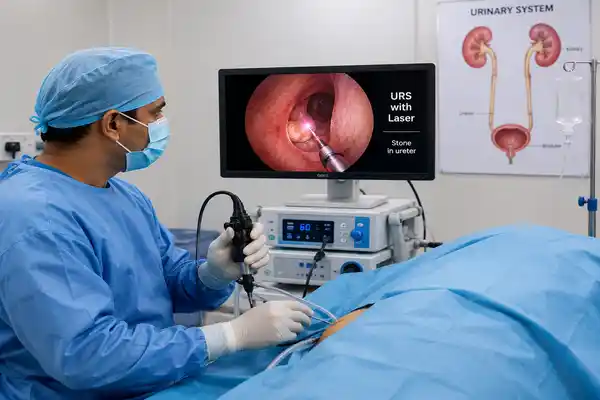
URSL SX
PNCL SX
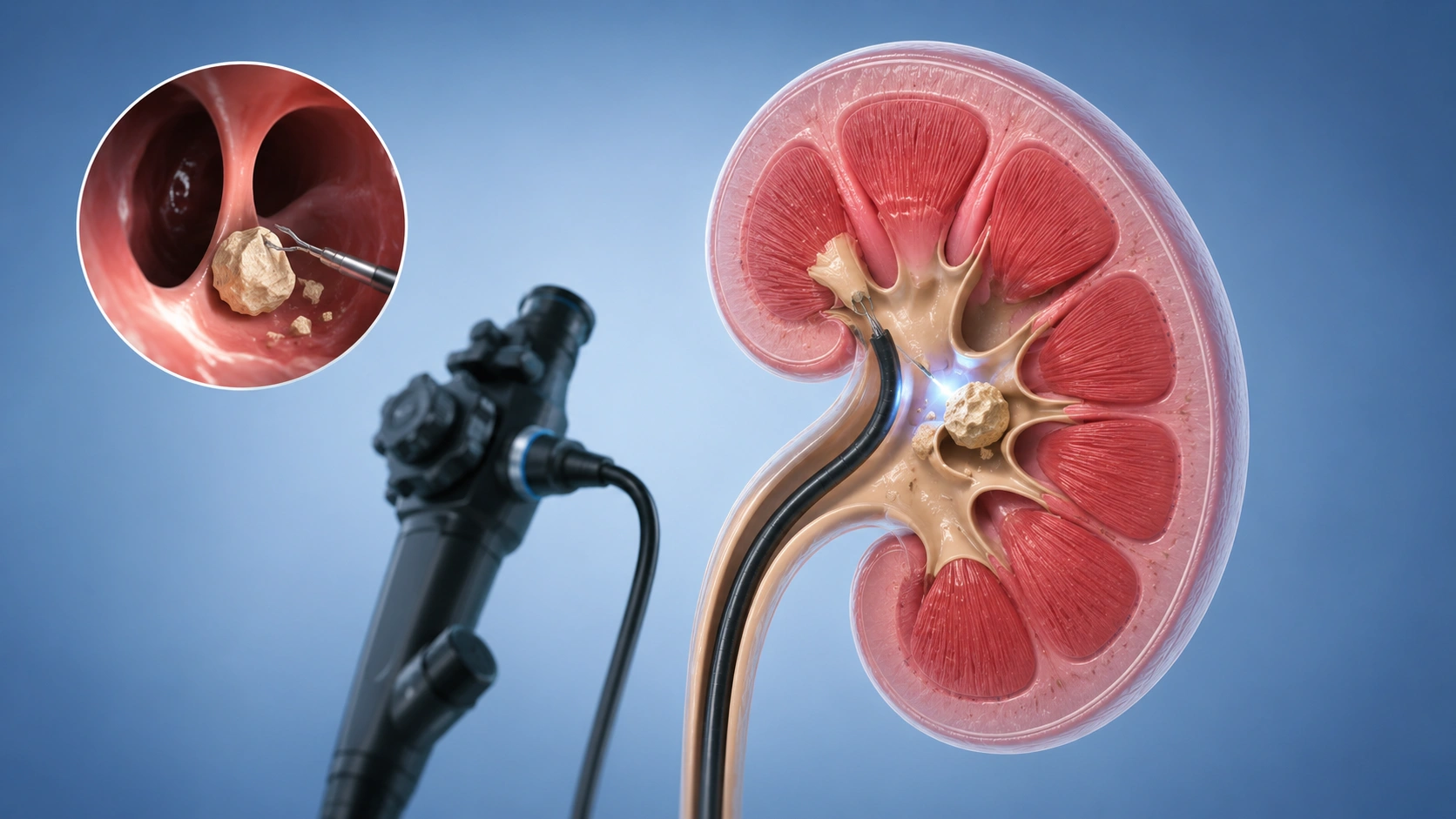
RIRS SX

ESWL SX
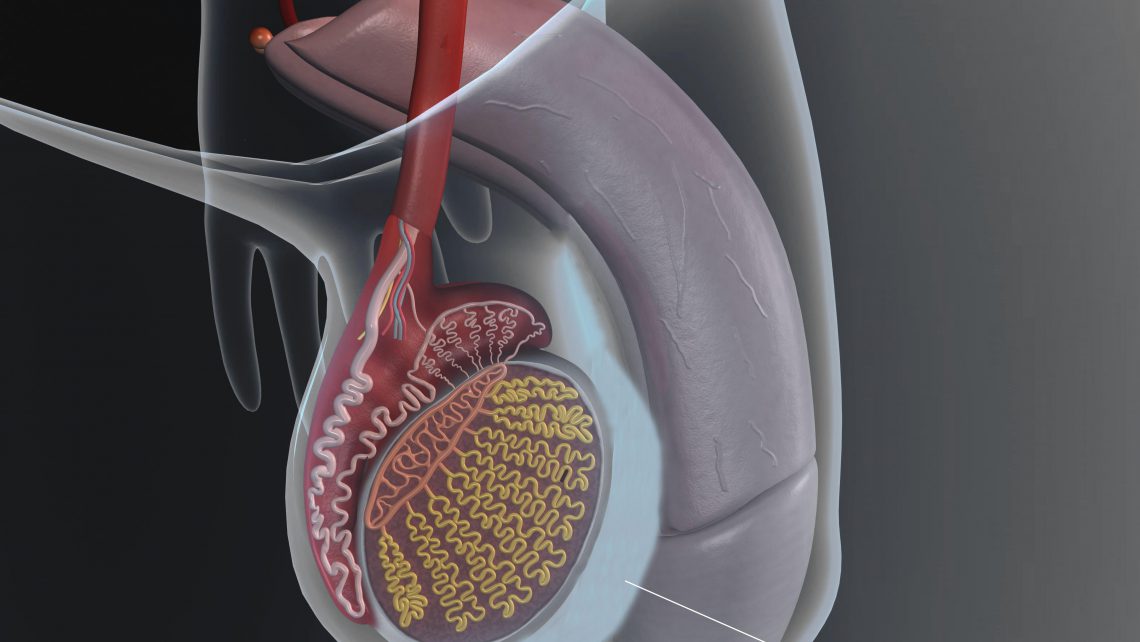
Hydrocale

Kidney Stone

Circumcision

Spatz intergastic Balloning
Bariatric SX
AV Fistula
Diabetic foot

Uterine Fibroids

Deep vein throm
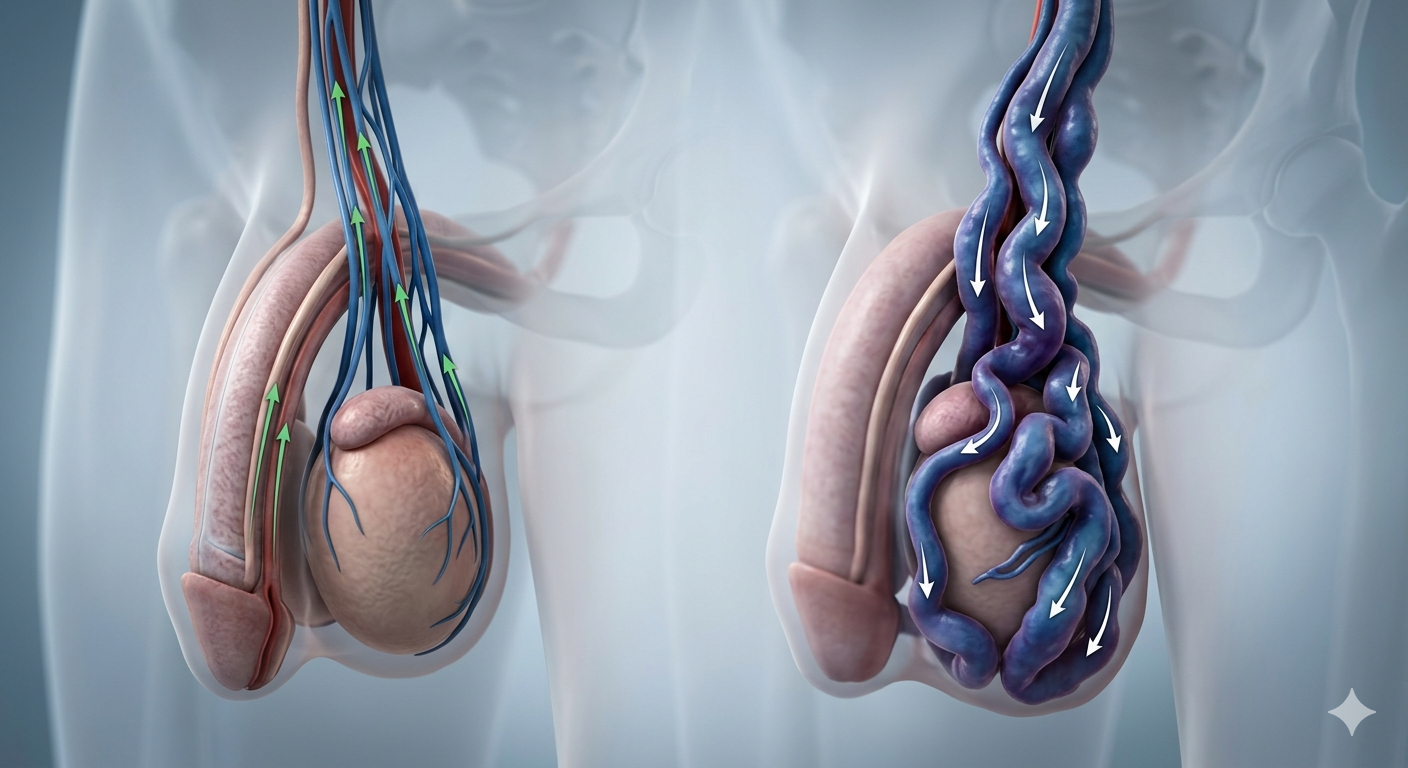
Vericocale

Vericose veins
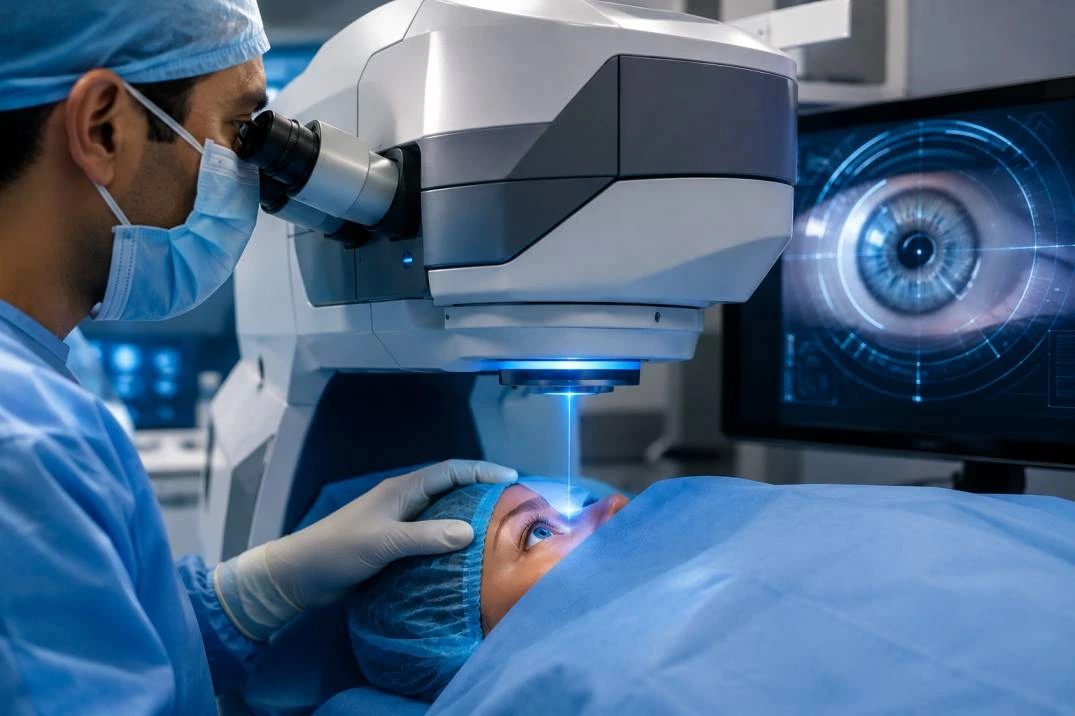
Vision-correction procedures

LASIK
Cataract

Rectal Prolapse

Pilonidal Sinus
Anal Fissure

Anal fistula

Piles
Arthroscopy

Fracture & Trauma care
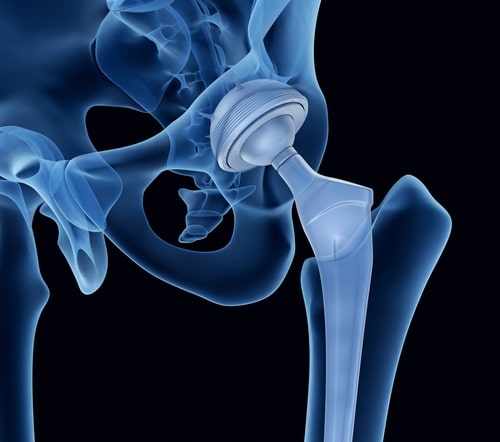
Hip replacement

Knee replacement
Cataract
A cataract is a clouding of the eye's natural lens, which normally should be clear, causing vision to become blurry, hazy, or dim over time. It commonly develops with age, though it can also occur due to injury, certain medications, or underlying health conditions like diabetes. Patients often notice difficulty with night driving, glare sensitivity, faded colors, or the need for frequent changes in glasses prescription.
Treatment Methods :
Depending on the stage of the cataract and the patient's visual needs, treatment options may include:
Phacoemulsification – The most common technique, using ultrasound energy to break up the cloudy lens through a small incision, which is then removed and replaced with an artificial intraocular lens (IOL).
Femtosecond Laser-Assisted Cataract Surgery (FLACS) – A laser-guided approach for key steps of the procedure, offering enhanced precision for select cases.
Manual Small Incision Cataract Surgery (MSICS) – A technique using a slightly larger incision without the need for ultrasound energy, used in select cases.
Intraocular Lens (IOL) Selection – A range of lens options — including monofocal, multifocal, and toric lenses — allow customization based on the patient's lifestyle and visual goals.
The appropriate technique and lens type are decided after evaluation by a qualified eye surgeon.
Eligibility & Age
Cataract surgery is generally considered when the cloudy lens significantly affects daily activities such as reading, driving, or recognizing faces, and isn't adequately corrected with updated glasses.
There is no fixed age limit for cataract surgery — while most common in older adults, it can also be needed in younger patients or even infants with congenital cataracts. Suitability depends on the extent of vision impairment, overall eye health, and general health status.
Conclusion
Cataracts are highly treatable, and modern surgical techniques offer excellent visual outcomes for most patients. Early evaluation by a qualified eye surgeon can help determine the right time and approach for your surgery.
Get evaluated by a qualified surgeon through Surgi Solution and explore treatment options suitable for your condition.
FREE CONSULTATION
Let's Find the Right Care for You - At No Cost
Answer 4 quick questions. Our team will call you within a few hours with the best hospital and doctor match for your needs.